








Ever been stuck at Sydney airport for three hours waiting for a delayed connection to Perth? Or missed a crucial business meeting because your flight was cancelled with no alternative until the next day?
Aircraft charter solves these exact problems. You’re not just buying a seat, you’re hiring the entire aircraft.
Think of aircraft charter as having your own private airline. The private jet charter departs when you need it to, flies directly to your destination, and carries only the passengers you choose. No compromises on timing, no unexpected delays, and definitely no sitting next to strangers on a cramped commercial flight.
What makes charters different is having complete control over your travel experience. Need to leave at 6:47 PM because that’s when your board meeting finishes? Consider it done. Want to fly from Melbourne to a remote mining site in Western Australia that commercial airlines don’t even service? That’s exactly what charter excels at.
The numbers tell the story. A Sydney to Melbourne charter (1,420km) starts from $1,750 per person with four passengers, while typical costs begin around $5.00-$6.00 per kilometre for small 4-7 seater aircraft. For Australia’s vast distances and remote destinations, charter flights often represent the only practical solution.
Whether you’re a business executive who values time over cost or planning a family trip to somewhere truly special, understanding how charter flights operate helps you make smarter travel decisions. This guide breaks down the entire process from booking to boarding, so you know exactly what to expect.
What is a Chartered Flight?
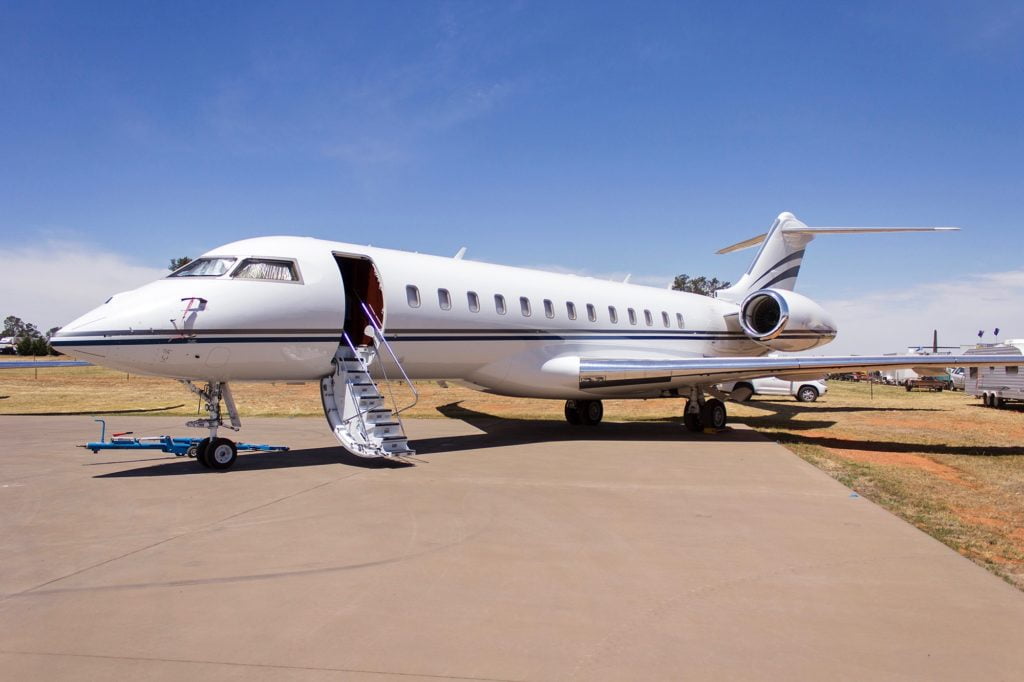
The simple explanation is this: chartered flights operate completely outside the normal airline system. According to the U.S. Department of Transportation, a chartered flight is “a flight that is not part of an airline’s published schedule”.
Commercial airlines run on fixed schedules, whether you’re ready or not. Jetstar’s 9:15 AM flight to Brisbane leaves at 9:15 AM regardless of your meeting running late. Virgin Australia flies Sydney to Perth via their predetermined route, making stops they’ve chosen, not necessarily where you need to go.
Chartered flights work the opposite way. The aircraft operates entirely according to your requirements. No published timetables, no predetermined routes, and no fixed departure times that don’t suit your schedule.
Commercial airlines sell individual seats on flights they’ve already planned. Charter operators sell you the entire aircraft to operate exactly when and where you need it. This fundamental shift in approach creates all the flexibility and control that makes charter flights so valuable for Australian businesses and travellers.
How charter flights differ from commercial flights
The difference comes down to the fact that you control the entire aircraft instead of just buying a seat. This creates a completely different travel experience across four key areas.
Scheduling works around you, not the other way around. Commercial airlines operate fixed timetables. If the last flight to Adelaide leaves at 6 PM and your meeting runs until 7 PM, you’re stuck overnight. Charter flights operate according to your schedule. Some operators can have you airborne with just 4 hours’ notice.
Route flexibility opens up destinations that commercial airlines ignore. Qantas and Virgin Australia focus on major city airports and popular routes. Charter flights access smaller airfields and remote locations that commercial carriers simply don’t serve. Think mining sites in the Pilbara, exclusive resort destinations, or that perfect wedding venue three hours from the nearest commercial airport.
The boarding experience eliminates airport frustration. Forget arriving 2-3 hours early, queuing through security, and waiting at crowded gates. Charter passengers arrive 20 minutes before departure, walk directly to their aircraft, and take off within minutes. The entire process takes about 20 minutes compared to hours at commercial terminals.
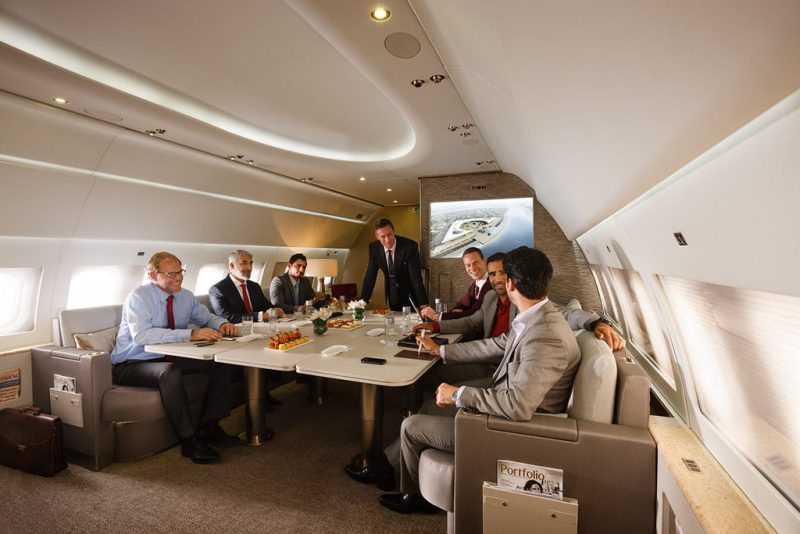
Privacy means productive flights or quality family time. Commercial flights mean sharing your space with strangers. Charter flights give you and your chosen companions exclusive use of the entire cabin. Perfect for confidential business discussions, family celebrations, or simply enjoying a peaceful journey without interruptions.
These differences explain why busy executives, families with specific needs, and anyone valuing time over cost increasingly choose charter flights for important journeys.
When chartering makes sense for travellers

Smart travellers know that charter flights aren’t just for celebrities and billionaires. Certain situations make private aviation not just convenient, but genuinely cost-effective and practical.
Business executives represent the classic charter customer, and for good reason. When you can conduct confidential meetings at 30,000 feet, visit three cities in one day, or reach regional business centres without overnight stays, the time savings often justify the expense. Think about it: what’s the value of closing a deal 24 hours earlier than your competitor?
Group travel changes the charter equation entirely. Split the cost among eight colleagues flying to a corporate retreat, and you might find charter pricing sits surprisingly close to premium commercial fares. Sports teams, wedding parties, and extended families discover that charter offers better value than expected, plus the convenience of travelling together.
Travellers with special needs often find VIP charter aviation offers solutions that commercial airlines simply cannot match. Whether you require medical equipment, wheelchair accessibility, or specialised support, private operators provide personalised assistance, including ambulifts and direct facility access.
The experience itself eliminates travel’s biggest frustrations:
- No three-hour early airport arrivals
- No security queues or delayed departures
- Complete control over catering and cabin preferences
- Personalised service from booking to landing
Remote destinations represent the charter’s strongest selling point. Planning a fishing trip to Cape York? A business visit to a remote mining operation? Commercial airlines don’t service these locations, making charter not just convenient but necessary.
The key question isn’t whether charter costs more than commercial flights, because it almost always does. The question is whether the time savings, convenience, and access justify the premium for your specific situation.
Types of Aircraft Charter Services
Aircraft charter services fall into several distinct categories. Each serves different travel requirements, budgets, and group sizes. Understanding these options helps you choose the right charter solution for your specific situation.
Private aircraft charter
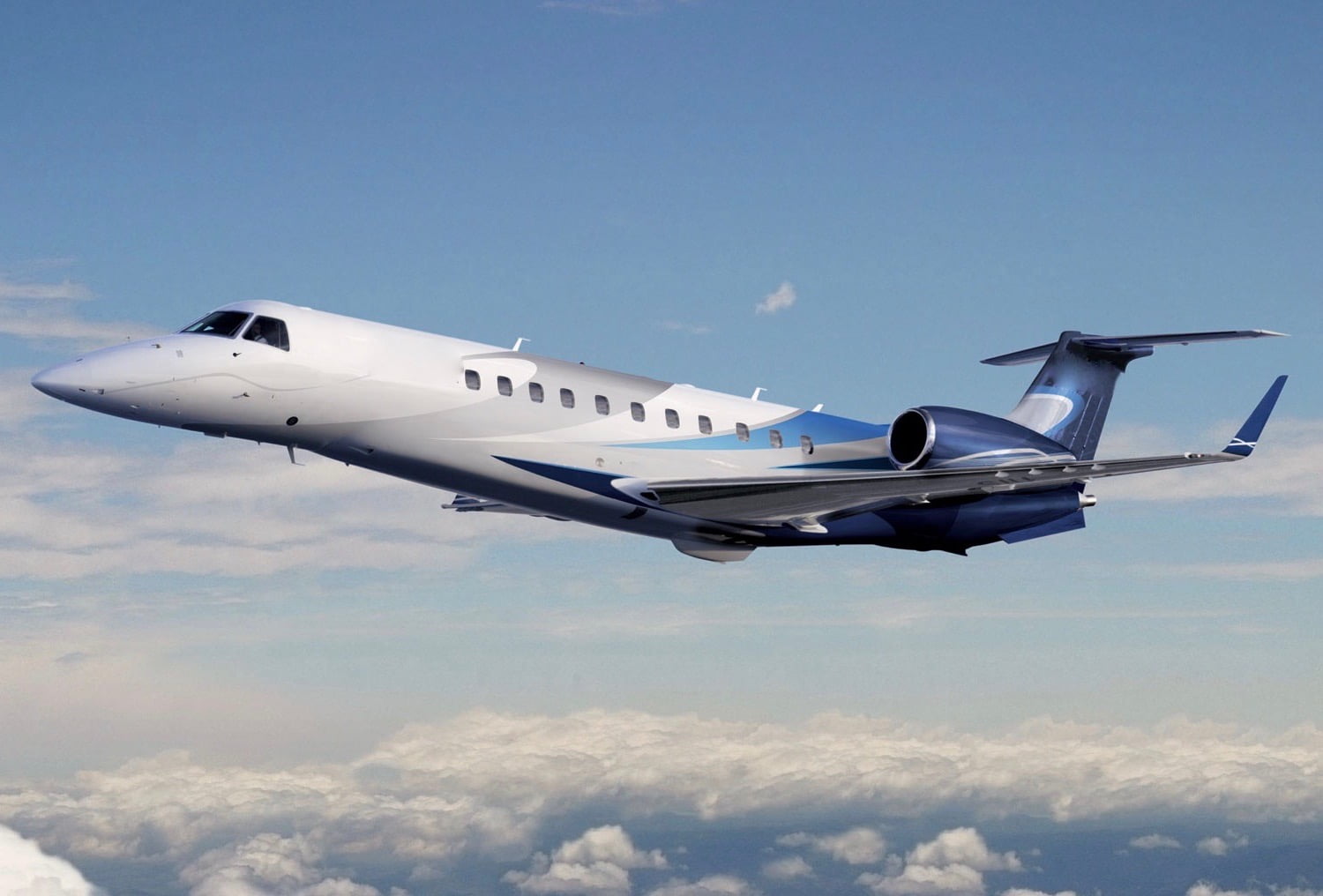
Private aircraft charter provides exclusive use of an entire aircraft. You hire the complete plane (crew included) for your personal or business travel. This arrangement gives you maximum control: you set departure times, choose routes, and decide who travels with you.
The private jet charter experience begins at private terminals, allowing you to skip crowded main airport areas. You proceed directly to your waiting aircraft without standard commercial procedures. For leisure travellers, this level of service transforms the journey itself into part of the holiday experience.
Key advantages of private charter flights:
- Complete customisation of flight experience
- Catering tailored to your preferences
- Cabin configuration adapted to your needs
- Access to smaller private airports that commercial airlines don’t serve
- Direct routes to your final destination
Public and affinity charters
Public charter flights offer a middle ground between private jets and commercial airlines. Charter operators contract these flights, then sell individual seats to travellers through direct booking or travel agents. Unlike scheduled airlines, public charters typically operate seasonally or for special events rather than on daily schedules.
Affinity charters work differently, because they serve only members of specific clubs, associations, or organisations. Every passenger must belong to the organising group, and you cannot join an organisation solely to access charter flights. Most operators require at least six months of membership before the flight date, with exceptions for commercial employees or students.
The distinction is simple: public charters welcome anyone, while affinity charters restrict access to group members. Both options reduce costs compared to private charter flights through seat-sharing arrangements.
Cargo and medical charters
Air cargo freight charter flights specialise in transporting goods rather than people. These services handle large shipments or items requiring special care: stage equipment, livestock, racing vehicles, oversized machinery, or valuable artwork.
Medical charter planes serve a critical role in healthcare transport. These flights move patients, medical teams, and supplies using specially configured aircraft. Each private plane hire features life-support systems, medical stretchers, and space for healthcare professionals to provide continuous patient care.
Medical charter services include:
- Patient transport between hospitals
- Organ transfers for transplant procedures
- Emergency repatriations from overseas
- Disaster response and relief operations
Aircraft range from jets to turboprops for medical deliveries, each equipped with medical-grade equipment and staffed by qualified healthcare professionals.
The common thread across all charter types? Tailored air transport that addresses specific needs beyond what scheduled commercial flights can offer. Your choice depends on travel requirements, group size, budget, and mission purpose.
How the Aircraft Charter Process Works

Booking your first private flight might seem complex, but the process is actually quite straightforward. Most charter providers have streamlined their booking systems to make the experience as simple as booking a hotel room, just with a few more customisation options.
Defining your travel needs
Smart charter booking starts with getting your requirements crystal clear. You’ll need the basics first: departure and destination locations, travel dates, preferred departure times, and passenger count. These fundamentals determine which aircraft types can handle your mission.
The details matter just as much:
- Luggage requirements and any oversized items
- Catering preferences or dietary restrictions
- Ground transportation needs at departure and arrival
- Special accommodations for pets or medical equipment
A solo business executive flying from Sydney to Brisbane has completely different needs than a family of six heading to Hamilton Island with surfboards and dive gear. The more specific you are about your requirements, the better your charter provider can match you with the right aircraft and services.
Working with a charter broker or operator
Here’s where you’ll make an important choice: work directly with a charter operator or go through a broker. Charter operators own and manage their own fleet, while brokers act as intermediaries who connect you with the best operator for your specific needs.
Brokers bring one major advantage, which is access to hundreds of aircraft options across multiple operators. Instead of being limited to one company’s fleet, brokers can survey the entire Australian market to find exactly what you need. This proves particularly valuable for first-time charterers who might not know the differences between a Citation CJ3 and a King Air 350.
Your broker or operator presents aircraft options, explains the key features of each, verifies all safety certifications, and provides detailed quotes. Once you’ve selected your preferred option, you’ll receive a comprehensive contract covering everything from departure times to cancellation policies.
Reach out to Aircraft Charter for professional private aircraft services and professional advice.
What to expect on the day of departure
This is where charter flights truly shine. Forget arriving two hours early. Most charter passengers need just 15-30 minutes before departure. That’s the difference between a rushed morning and a relaxed start to your trip.
Private terminals (called FBOs) operate nothing like commercial airports. You’ll walk into a quiet, comfortable environment that feels more like a high-end hotel lobby than an airport. Staff greet you by name, handle your luggage, and guide you to a private lounge while they complete the paperwork behind the scenes.
Security remains thorough but discreet. No removing shoes, no long queues, no stress. Once cleared, you’ll walk directly to your aircraft, where the flight crew conducts a personalised safety briefing, just for you and your group.
The entire process from car door to takeoff typically takes 20 minutes. Compare that to the hours spent at Melbourne or Sydney’s main terminals, and you’ll understand why busy executives consider charter flights a productivity tool rather than just a luxury service.
Understanding Charter Flight Costs
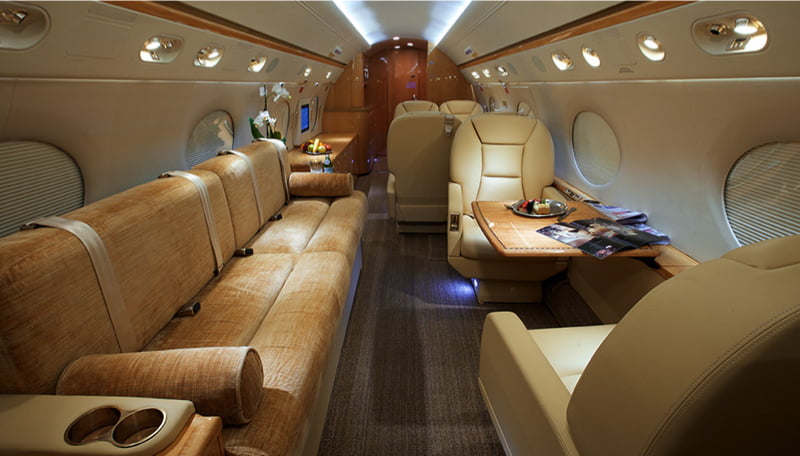
Charter flight pricing works differently from commercial airlines. There’s no fixed ticket price. The cost of chartering depends entirely on your specific requirements and current market conditions.
What drives charter pricing
Aircraft type determines your baseline cost. Light jet charter flights typically run $2,300-$4,600 per hour, while heavy jets command $8,000-$12,000 per hour. Flight distance directly impacts fuel consumption and crew hours, with longer journeys often requiring a larger aircraft.
Several other factors influence your final quote:
- Private airport fees and locations (premium airports charge higher landing and handling fees)
- Passenger count (more travellers may require larger, more expensive aircraft)
- Seasonality (Christmas holidays and major events significantly increase prices)
- Aircraft age (well-maintained older jets cost less than brand-new models)
Aircraft positioning also affects costs. If your chosen plane needs to fly empty to reach your departure point, those repositioning expenses typically get added to your bill.
Empty leg flights save serious money
Empty leg flights happen when aircraft must reposition without passengers after completing a one-way charter. These opportunities offer substantial savings (often 30%-75% below standard charter rates.
You’re working with fixed departure times, predetermined routes, and the possibility of cancellation if the primary charter changes. For flexible travellers, empty legs represent excellent value.
Other cost-saving strategies include flying mid-week instead of weekends, choosing turboprops over jets for shorter Australian domestic trips, and considering older yet well-maintained aircraft.
Smart buyers look beyond the lowest quote
Price matters, but the cheapest quote can lead to disappointment. Reputable operators provide transparent breakdowns of all expenses. Watch out for hidden costs like deicing fees, Wi-Fi charges, or additional crew expenses that can significantly impact your final bill.
Consider the operator’s safety record and certifications alongside pricing. That bargain quote might involve aircraft with minimal amenities or operators with questionable experience. Charter flights create value through time savings, productivity opportunities, and access to remote locations, benefits that justify premium pricing.
Choosing the Right Aircraft and Operator
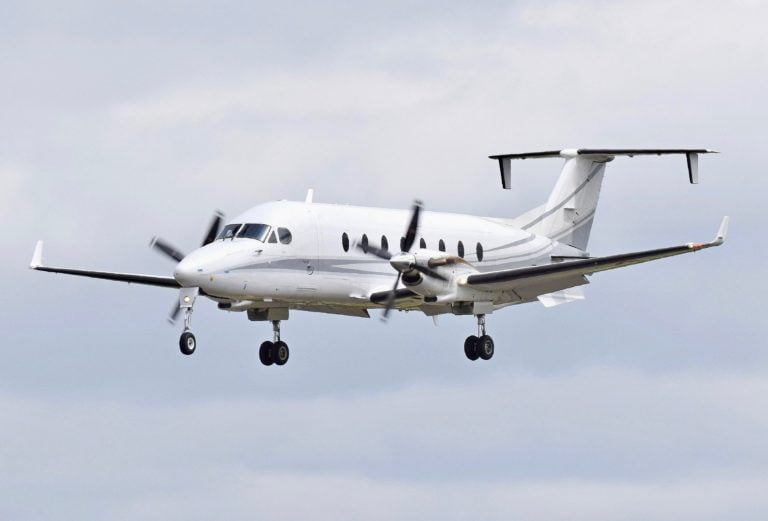
Your aircraft and operator selection directly impacts both safety and satisfaction. Get this decision wrong, and even the best itinerary becomes a nightmare.
Smart charter selection requires more than comparing hourly rates or cabin photos. The right choice balances your specific mission requirements with proven safety standards and reliable service delivery.
Matching aircraft to mission requirements
Business Travel: Productivity-focused flights need quiet cabins, reliable Wi-Fi, and flexible seating configurations for meetings. A Cessna Citation or King Air typically handles most Australian business routes efficiently.
Family Holidays: Space becomes critical as you’ll need room for luggage, sports equipment, and seating arrangements that work for children. Consider whether your destination airport can accommodate larger aircraft, as not all Australian regional airfields handle every jet type.
Special Occasions: Luxury private jets demand premium interiors, high-end catering capabilities, and space for larger groups. However, don’t pay for unnecessary amenities that don’t align with your actual needs.
You’ll need to ask yourself: Does this aircraft accomplish your mission without compromising comfort or unnecessarily inflating costs?
Verifying safety certifications and credentials
Safety forms the foundation of every charter decision. Australian charter operators must hold an Air Operator Certificate (AOC) from CASA (this isn’t optional, it’s mandatory). Look beyond basic licensing to operators with international certifications like ARGUS Platinum or IS-BAO, which demonstrate adherence to industry best practices.
Reach out to Aircraft Charter for professional private aircraft services and professional advice.
Direct operators vs brokers: Companies that own and operate their own fleets typically provide more consistency and accountability compared to brokers relying on third-party aircraft. You’ll know exactly who maintains the aircraft and who employs the crew.
Essential questions before booking
Before signing any charter agreement, get clear answers about:
- Aircraft maintenance: Recent service records and scheduled maintenance dates
- Safety audits: Independent safety ratings and audit history
- Insurance coverage: Minimum AUD 76.45 million coverage recommended
- Contingency plans: What happens if mechanical issues arise?
- Crew qualifications: Experience levels and ongoing training requirements
- Support availability: 24/7 operational support and emergency contacts
- Fee transparency: All costs disclosed upfront, including potential extras
The cheapest quote often comes with hidden compromises. Focus on operators who provide detailed breakdowns of all expenses and demonstrate a genuine commitment to safety standards.
Your Next Flight Could Change Everything
Aircraft charter puts the power back in your hands. No more adapting your schedule to airline timetables, because the aircraft adapts to you.
This guide has walked you through the complete charter process, from understanding different service types to booking your first flight. The key takeaway? Charter flights solve real problems that commercial aviation simply can’t address.
The process itself couldn’t be simpler. Define your travel needs, work with a reputable operator or broker, then enjoy a departure experience that takes minutes instead of hours. Whether you choose a private jet charter for maximum control or explore cost-effective options like empty leg flights, you’re investing in time, convenience, and accessibility.
Smart charter selection comes down to matching the right aircraft to your specific requirements while prioritising safety credentials. Ask the right questions, verify operator certifications, and choose based on your mission needs rather than just price.
For Australian travellers dealing with vast distances and remote destinations, charter flights often represent the difference between possible and impossible. That mining site visit, family reunion in a small country town, or urgent business meeting (charter makes it happen on your terms).
The investment pays for itself through time saved, opportunities created, and destinations accessed. Aircraft charter turns travel from a necessary hassle into a productive, comfortable part of your journey.
Ready to experience the difference? Your schedule is waiting.