



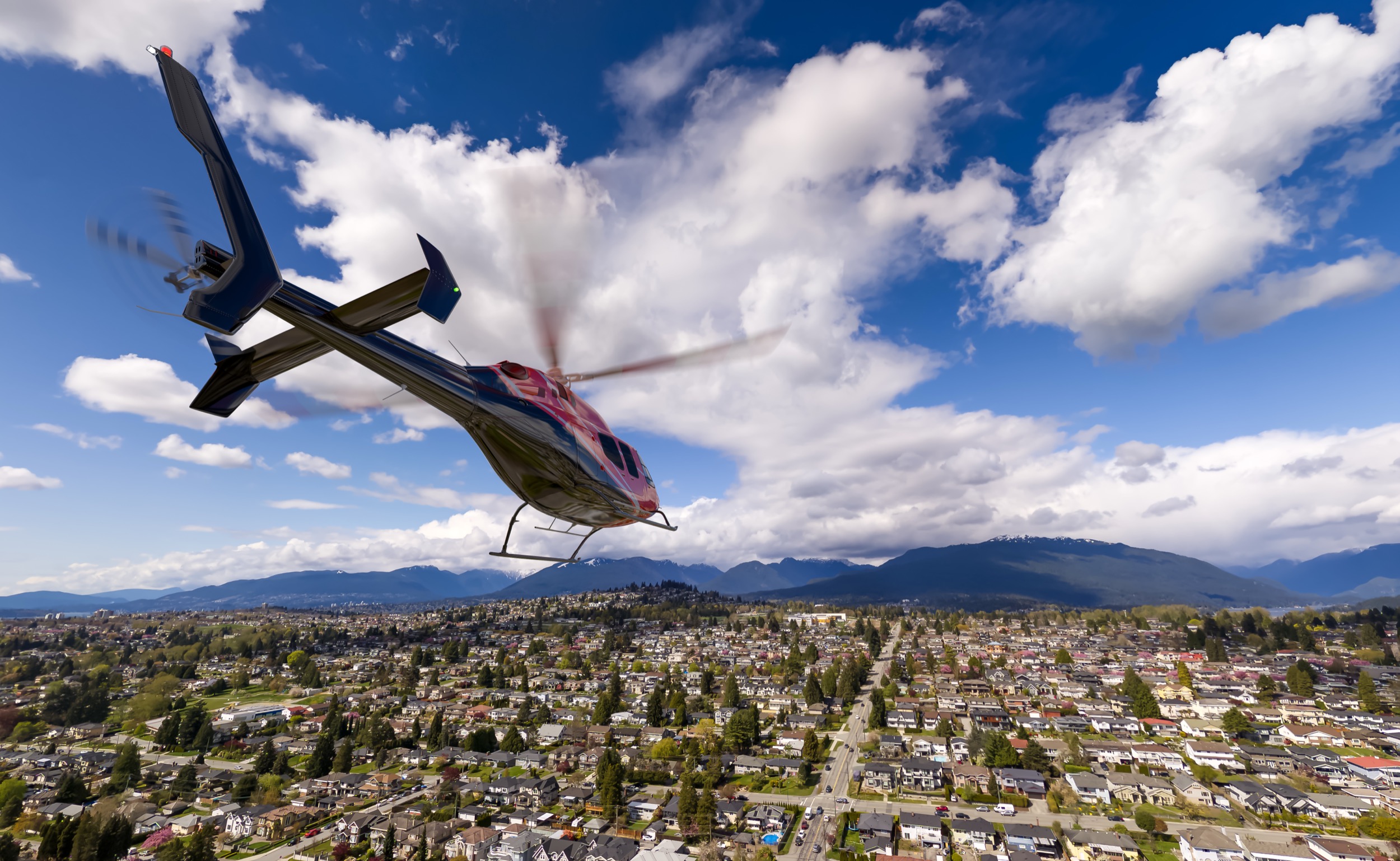
Anywhere from around $990 to $1,500 an hour for a light helicopter, climbing to $2,500 to $4,500 an hour for a turbine helicopter charter, and higher again for twin-engine and VIP aircraft. The longer answer depends on the aircraft, the route, how long you need it, and a handful of cost drivers most people don’t think about until they see the final quote.
This post walks through helicopter flight charter pricing in Australia: what you’ll typically pay, what shifts the price up or down, real example scenarios for common trip types, and what to ask before you book so the final number doesn’t surprise you.
What a Helicopter Charter Quote Usually Includes
Most helicopter charter quotes are priced per hour of flight time, with a minimum booking that ranges from 30 minutes to a full hour, depending on the operator and aircraft.
A standard hourly rate typically covers:
- The helicopter itself
- The pilot (and a second pilot for twin-engine aircraft)
- Fuel for the flight
- Standard insurance and operating costs
- Basic landing at registered airports and helipads
What’s not usually included in the base hourly rate:
- Positioning flights (the time and cost to fly the helicopter to your pickup location)
- Waiting time once the pilot is on the ground
- Return legs when you’re only flying one way
- Landing fees at private sites or airports that charge separately
- Permits for landing at unusual sites (private property, beaches, council reserves)
- Premium catering, ground transfers, or VIP handling
The base price gets you in the air. The extras are where quotes start to differ between operators, and they’re worth understanding before you compare numbers.
When Helicopter Charter Prices Rise Quickly
A few situations push the price up faster than people expect:
- Long positioning flights. If the closest helicopter flight is two hours away, you pay for those two hours each way before your flight even starts.
- Last-minute bookings. Aircraft and pilot availability get tighter inside 48 hours, and rates rise to match.
- Peak seasons and major events. Melbourne Cup week, the Australian Grand Prix, the AFL Grand Final, and similar major events tighten capacity in those cities. The wedding season (October to April in most of Australia) does the same for popular locations.
- Non-standard landing sites. Landing on private property, a beach, or a winery often needs permits, site approvals, and sometimes a site inspection, all of which add to the cost.
Helicopter Charter Prices by Aircraft Type
Aircraft choice is the single biggest cost driver. Larger, faster, and more capable helicopters cost more to operate, and that flows directly into the hourly rate.
Light Helicopters and Entry-Level Rates
Hourly rate: around $990 to $1,500
Light helicopters like the Robinson R44 are the most common entry point. They seat three passengers plus the pilot, suit short transfers and scenic flights, and are widely available across most Australian cities and tourist regions.
Best suited to:
- Scenic flights and aerial tours (Sydney Harbour, Great Ocean Road, Whitsundays, Hunter Valley)
- Short transfers between cities and regional locations
- Photography and filming work
- Couples or small parties for weddings and special events
The trade-off: smaller cabin, lower top speed (around 180 km/h cruise), and weather sensitivity. Light piston helicopters can’t fly in conditions that don’t faze a turbine machine.
Turbine Helicopters and Mid-Range Pricing
Hourly rate: around $2,500 to $4,500
Single-engine turbine private helicopters like the Bell 206 JetRanger, Bell 407, and Airbus AS350 sit in the middle of the market. They carry four to six passengers, fly faster (around 220 km/h cruise), and handle a broader range of weather. Most charter operators use turbine aircraft for medium-distance transfers and longer scenic flights.
Best suited to:
- Corporate transfers and airport pickups
- Larger wedding parties or group scenic flights
- Multi-stop day trips (Sydney to the Hunter Valley to the Blue Mountains)
- Tourism operations in remote regions
Twin-Engine and VIP Helicopter Costs
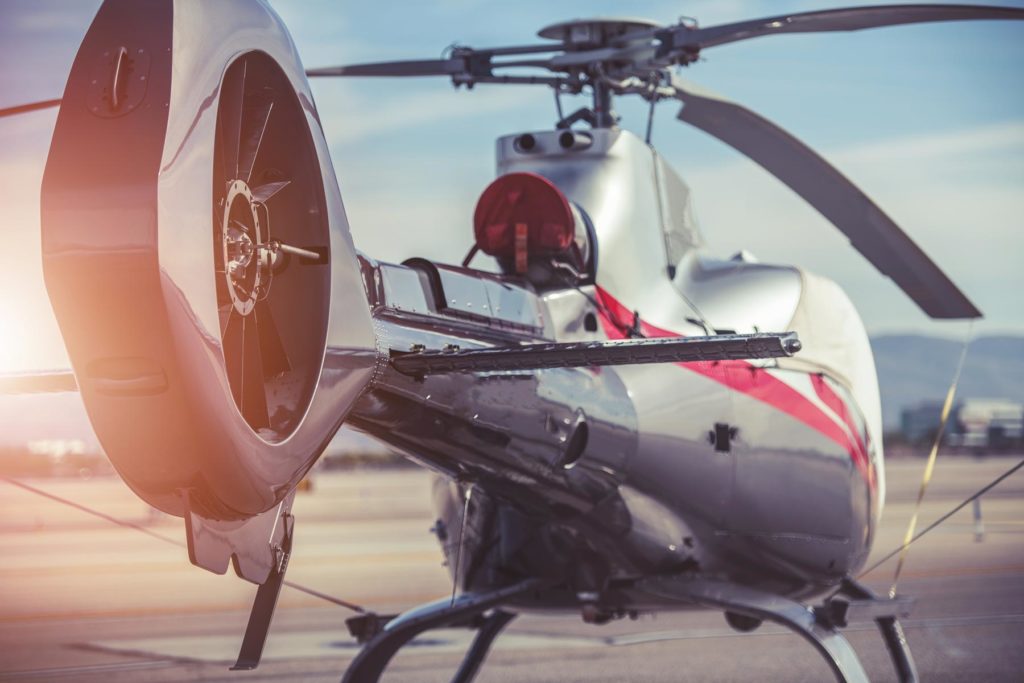
Hourly rate: $5,000 and up, often considerably more
Twin-engine helicopters like the Airbus H145, Leonardo AW139, and Sikorsky S-76 are the premium end of the market. They carry six to twelve passengers in larger, often fully fitted-out cabins. Twin engines mean better safety margins for overwater flights and operations at night, and they’re the standard for offshore work, search and rescue, and high-end VIP transport.
Best suited to:
- VIP and executive transport where comfort and discretion matter
- Long-distance transfers between capital cities
- Offshore flights to islands and oil and gas platforms
- Charters with twelve or more passengers
VIP-configured twin-engine helicopters with leather cabins, sound insulation, and full catering can run $8,000 to $12,000 an hour or higher, particularly for short-notice bookings.
What Affects Helicopter Charter Cost
Beyond aircraft choice, six main factors shift the final number.
- Flight time, positioning, and waiting. You pay for flight time end to end. If a helicopter has to fly from its base to your pickup point, you pay for that positioning leg. The same applies on the return. Waiting time on the ground between legs is usually billed at a reduced hourly rate.
- Passenger numbers and payload limits. Helicopters have strict weight limits. Five passengers and luggage might fit in a Bell 407 in winter, but on a hot summer afternoon, you may need to drop a passenger or reduce fuel. A heavier load means a larger aircraft, which means a higher rate.
- Landing sites, permits, and route complexity. Landing at a registered helipad is straightforward. Landing on a beach, in a national park, or on private land usually needs council approval, CASA notifications, and a site briefing. These approvals take time and cost money, and last-minute private site landings often aren’t possible at all.
- Seasonal demand. Tourism peaks (Christmas, school holidays, wedding season) and major event weekends tighten availability. Booking in advance for these periods locks in better pricing and aircraft choice.
- One-way versus return flights. A one-way charter still has to get the helicopter back to base, so you’re effectively paying for the return leg even if you’re not on it. Round-trip tickets are usually a better value per hour.
- Day of week and time of day. Weekends, public holidays, and operations outside daylight hours (where the aircraft is certified for night work) attract premium rates.
Example Helicopter Charter Scenarios
Real numbers help more than ranges. Here are three common scenarios with indicative pricing.
Airport Transfer Example
Sydney CBD to Sydney Airport in a light helicopter
Flight time: around 8 minutes each way. With a 1-hour minimum booking, positioning from the operator’s base, and standard helipad landing fees, expect to pay around $1,500 to $2,500 for a one-way transfer. A turbine helicopter on the same route runs closer to $3,000 to $4,500.
Wedding and Event Charter Example
Light helicopter for a wedding pickup and a short scenic flight
A typical wedding booking includes the bride and groom (sometimes the wedding party) picked up at one location, a 15 to 20 minute scenic flight, and a landing at the reception venue. Allowing for positioning, the scenic flight itself, ground waiting time, and landing approvals at private sites, expect around $2,500 to $4,500 for a light helicopter package. Turbine helicopters for larger wedding parties typically range from $5,000 to $8,000.
Scenic Flight and Day Charter Example
Half-day private charter from Sydney to the Hunter Valley
A common day-trip booking: Sydney to a Hunter Valley winery in a turbine helicopter, four hours on the ground, return flight in the afternoon. The helicopter flight time is roughly 45 minutes each way, plus waiting time on the ground at a reduced rate. Total: $6,500 to $9,500, depending on aircraft choice and waiting time. Full-day charter services with multiple stops run higher again.
How to Compare Helicopter Charter Quotes

Two quotes for the same flight can look different by thousands of dollars, and the reason is almost always in what’s included.
What Is Included in the Base Price
Before you compare hourly rates, find out exactly what the base rate covers:
- Is positioning time included or extra?
- Is waiting time billed at the full hourly rate or a reduced rate?
- Are standard landing fees included, or charged separately at each site?
- Is GST included in the headline figure?
- What’s the minimum booking time?
Common Extras and Hidden Costs
Quotes that look cheaper often have extras stacked on top:
- Pilot accommodation for multi-day charters
- Fuel surcharges for remote operations
- Premium catering and beverages
- Ground transfers at either end
- Private site landing fees and permit applications
- Cancellation and weather diversion policies
Questions to Ask Before Booking
A handful of questions sorts the good quotes from the inflated ones:
- What aircraft are you proposing, and is it available on my dates?
- How many passengers can it carry on my route, given the season and luggage?
- Is the operator the helicopter owner, or are they sourcing it from someone else?
- What happens if weather forces a cancellation or diversion?
- What’s the total, all-inclusive price, with no extras to be added later?
A reputable operator will answer all five clearly and put the answers in writing.
Getting an Accurate Quote for Your Helicopter Charter
Helicopter pricing has too many variables for a generic figure to be accurate. The fastest way to know what you’ll actually pay is to send your trip details (route, date, passenger numbers, luggage, any special requirements) and ask for a tailored quote.
Air Charter Network arranges private helicopter charter across Australia, with access to light, turbine, and twin-engine helicopters for transfers, scenic flights, weddings, and corporate charters. Tell us where you need to go and when, and we’ll come back with aircraft options and a clear, all-inclusive price.
GET A QUICK QUOTE | Call 1300 850 747