






Arrive about 3 hours before an international flight departing Australia. That is the guidance Sydney Airport publishes, and it matches the way airline deadlines stack up. Qantas opens international check-in 3 hours before departure and closes it 60 minutes before, with online check-in shutting 90 minutes out. Everything between those cutoffs, like bag drop, security, outbound passport control and the walk to a far gate, has to fit inside the window.
Three hours feels excessive on a quiet Tuesday. It feels barely adequate at 7 am in January, when four widebodies board inside the same hour. Here is where the time really goes, the situations that deserve extra, and what you can honestly trim.
Where the 3 hours go
Check-in and bag drop
Checked bags have to be over the belt before bag drop closes, and checking in online does not get you out of that. On Qantas international services, airport check-in closes 60 minutes before departure and online check-in closes at the 90-minute mark. Turn up after the cutoff and the airline can refuse to board you, even while the aircraft is still at the gate. Other carriers publish their own deadlines, so confirm yours the day before you fly.
Widebody flights also mean widebody queues. When 300 passengers funnel through one bank of counters, being near the front matters.
Security screening
Body scanners, carry-on X-rays and the liquids, aerosols and gels rules. On a quiet morning you are through in ten minutes; ahead of a bank of departures it can run well past thirty. You cannot control the queue, only when you join it.
Outbound passport control
Leaving Australia means clearing Passport Control, where SmartGates use facial recognition and your passport to process you through. The gates keep things moving, but they still back up when several international flights depart close together, and anyone who cannot use them waits for manual processing instead.
The walk to the gate
International terminals are long. A far gate at Sydney or Melbourne can be a solid 10 to 15 minute walk from screening. Boarding often starts about 45 minutes before departure, and gates close before the scheduled time. Passengers do get left behind while standing inside the terminal.
When you should allow more than 3 hours
- School holidays and peak season. December, January, Easter and the July break are the busiest weeks in Australian airports, and every queue grows.
- Early morning departure banks. Long-haul flights tend to leave in waves. A 6 am to 9 am departure means sharing the terminal with several full aircraft loads.
- Oversized baggage. Surfboards, bikes, golf clubs and instruments go through a separate process that adds time at the counter.
- Travelling with kids or mobility needs. Every step takes longer, so build in margin instead of stress.
- Visa and document checks. Some destinations require document verification at check-in, which slows the whole queue, not just your place in it.
- Separate-ticket connections. Landing on a domestic flight and departing internationally on a different booking means collecting bags, changing terminals and checking in from scratch. Be generous with the gap.
Checked in online with carry-on only. Can you cut it finer?
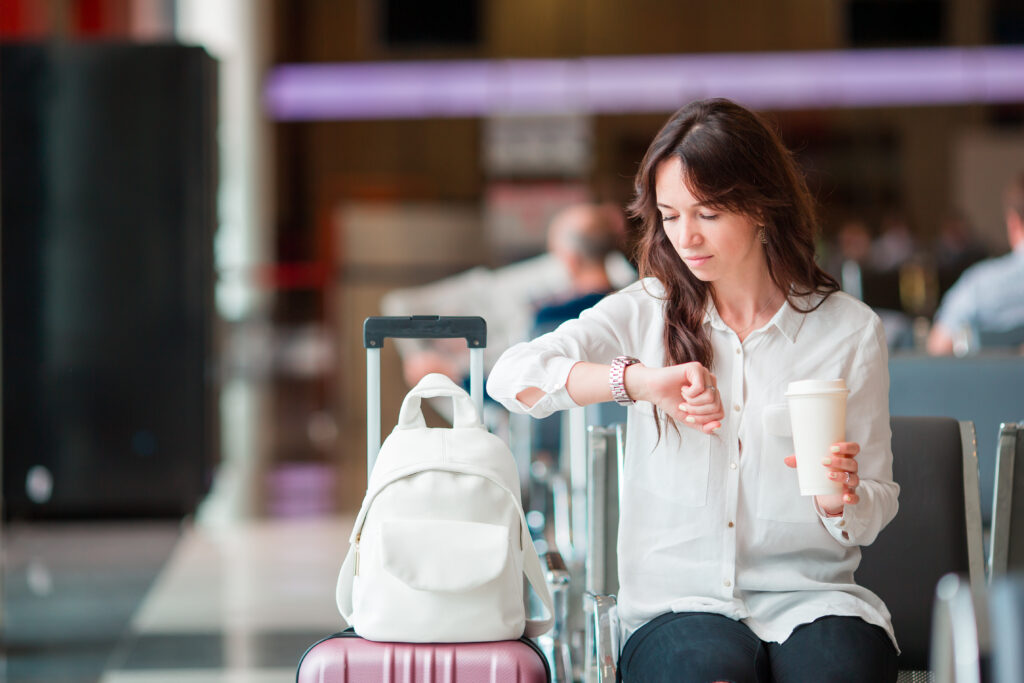
With no bags to drop, you skip the counter queue entirely, and a boarding pass on your phone takes you straight to screening. Two hard limits remain, though: Qantas online check-in for international flights closes 90 minutes before departure, and you still clear security and Passport Control with everyone else.
An experienced traveller with carry-on only can work to 2 hours at a familiar airport, off peak. Everyone else should hold the 3-hour line. The cost of being wrong is a missed international flight, and that is a bad trade for one extra coffee at home.
Domestic flying runs to friendlier deadlines. We have covered how early to arrive for a domestic flight separately.
Five ways to make the buffer smaller and calmer
- Check in online as soon as it opens, usually 24 hours before departure, and load the boarding pass onto your phone.
- Pack for the screening point: laptop and liquids where you can reach them in one movement.
- Confirm your terminal, parking and any roadworks the night before. The drive is part of the deadline.
- Fly carry-on only when the trip allows it, keeping international liquid limits in mind.
- If you have lounge access, use it. It does not buy you time, but it turns the buffer into breakfast rather than waiting.
How charter changes the arithmetic
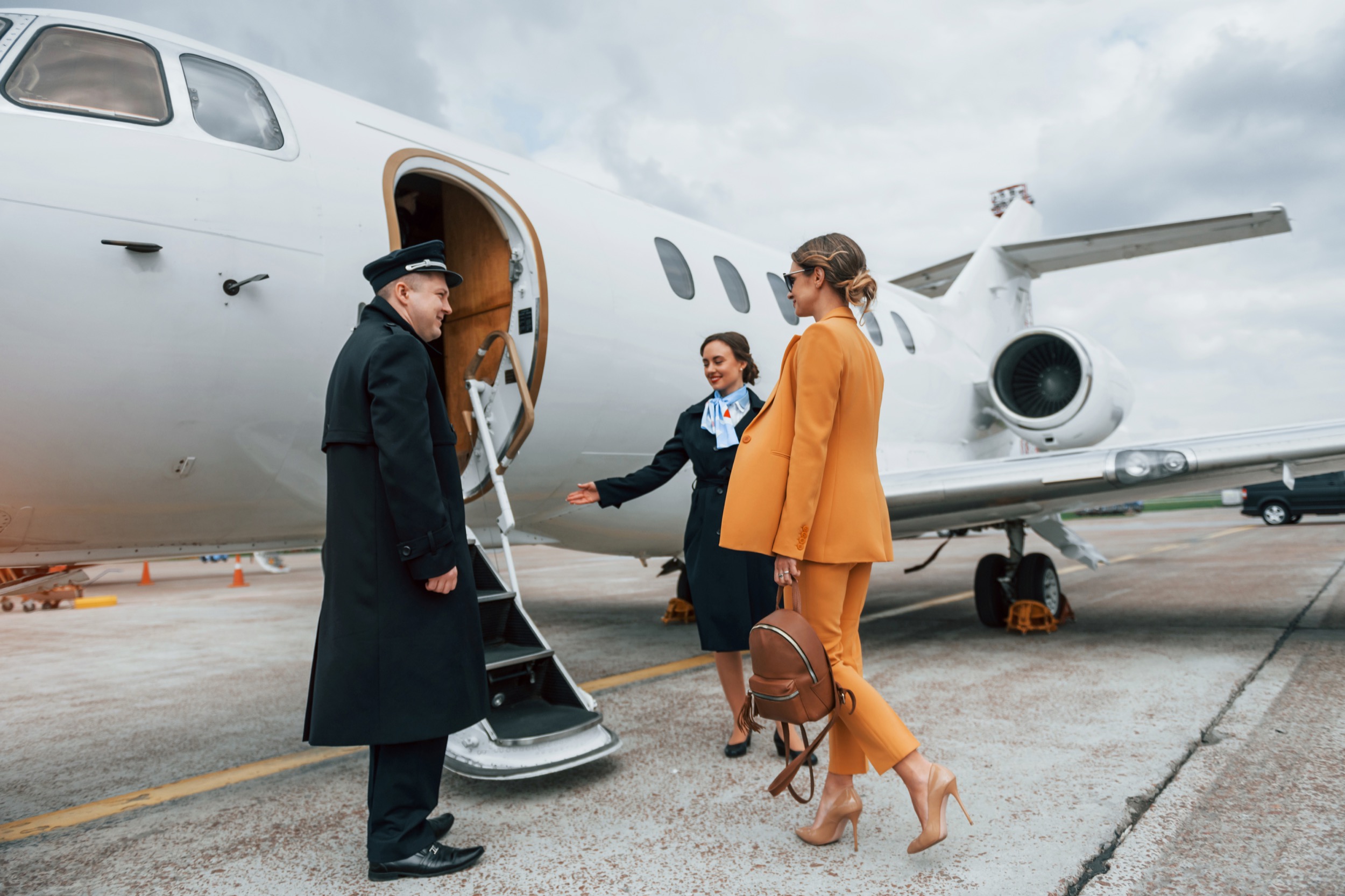
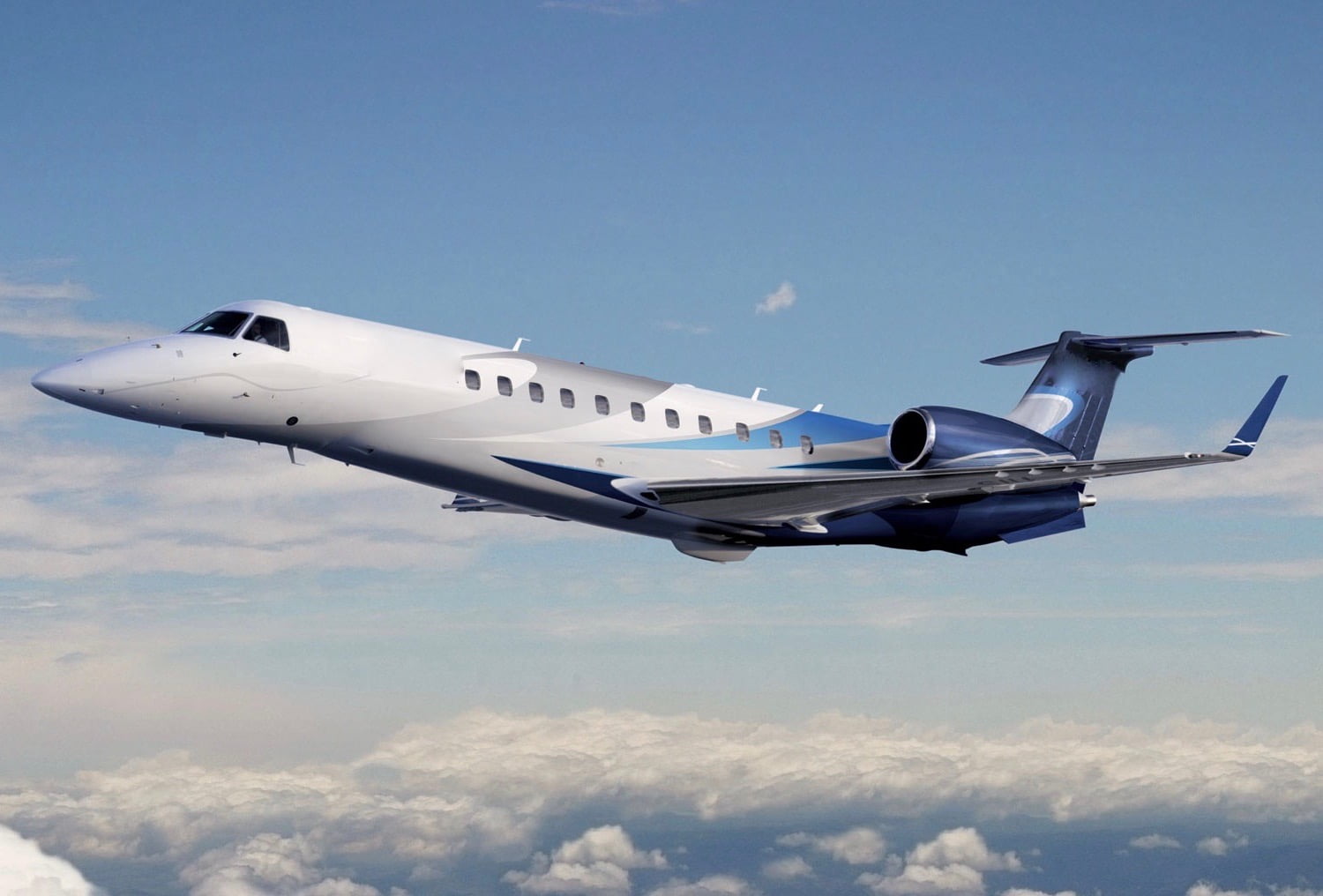
We arrange charter flights, so we see the other version of this every week: passengers arriving 15 to 30 minutes before departure at a private terminal, because there is no check-in queue and the crew already holds the manifest. Border formalities still apply on international charters, but they are processed for six people rather than 300. And if the meeting runs late, the aircraft waits.
For most holiday travellers, the 3-hour buffer is simply part of flying. For a business team making four international trips a quarter, those hours are worth pricing.
Frequently Asked Questions
Is 2 hours enough for an international flight from Australia?
Carry-on only, already checked in online, a familiar airport and an off-peak departure. With bags, 2 hours leaves almost no margin, because bag drop commonly closes 60 minutes before departure. Airports and airlines recommend 3 hours, and during holiday peaks even that can feel tight.
What time do international check-in counters open?
Qantas opens international check-in 3 hours before departure at most airports, with a handful of overseas ports opening 4 hours out. Other airlines run similar windows but not identical ones. If you want to be first at the counter, match your arrival to the opening time.
What happens if I miss the check-in or bag drop cutoff?
The airline can deny boarding even though the aircraft has not left. Depending on your fare, you may pay change fees or need a new ticket. Cutoffs are enforced automatically in check-in systems, so a sympathetic agent at the counter often cannot override them anyway.
How early should I arrive for a domestic flight in Australia?
Qantas opens domestic check-in 2 hours before departure and closes it 30 minutes out, so arriving about 2 hours ahead covers you comfortably, with extra at peak times. One catch: a domestic flight departing from an international terminal follows international check-in times and requires photo ID.
Do I need extra time for a connecting international flight?
Same-ticket connections are protected: minimum connection times are built into the booking, and the airline rebooks you if a delay breaks the link. Separate bookings are different. You will collect bags, change terminals and check in from scratch, so treat the connection as a fresh 3-hour arrival.
How early do I need to arrive for a charter flight?
Usually 15 to 30 minutes before departure at the private terminal. There are no check-in counters; the operator holds the passenger list, and the crew meets you at the door. International charters still involve border processing, and your broker confirms exact timings when the trip is booked.
If the airport buffer is eating your working week, we can quote the alternative. Call Air Charter Network on 1300 850 747 or Contact Us for a charter quote, any hour.
About the Author
The Air Charter Network Team arranges private and group charter flights across Australia and worldwide, including ultra-long-range aircraft for intercontinental trips. Route distances and airline schedules change, so check current timetables before you book.