








A Practical Guide to Costs, Value, and Smart Booking
Chartering a private plane is a tremendous travel experience that combines privacy, convenience, flexibility, and speed in a way that commercial flights can’t match. But one question consistently tops the agenda for first-time and repeat users alike:
How much does it actually cost to charter a private plane?
This is often more complex than a straight-up answer. Unlike commercial flights with fixed ticket prices, a private jet rental is highly customised, and the cost depends on many variables. In this guide, we’ll break down the key drivers of private charter pricing, show how to think about value beyond the headline numbers, and help you decide whether chartering is worth it for your trip.
Why There’s No Single “Price Tag”

When people ask “how much to charter a private plane,” they’re often expecting a single number, something like “$X per hour.” But private charter pricing doesn’t work that way. It’s customised to your flight based on:
- Aircraft type and size
- Flight distance and duration
- Airport choice and handling fees
- Seasonal demand
- Extras like in-flight catering, ground transport or pets
These variables mean two seemingly similar flights can cost very different amounts.
Rather than focusing on a single hourly price, it helps to think about the components of your charter cost and how to influence them.
The Big Cost Drivers Explained
1. Aircraft Selection
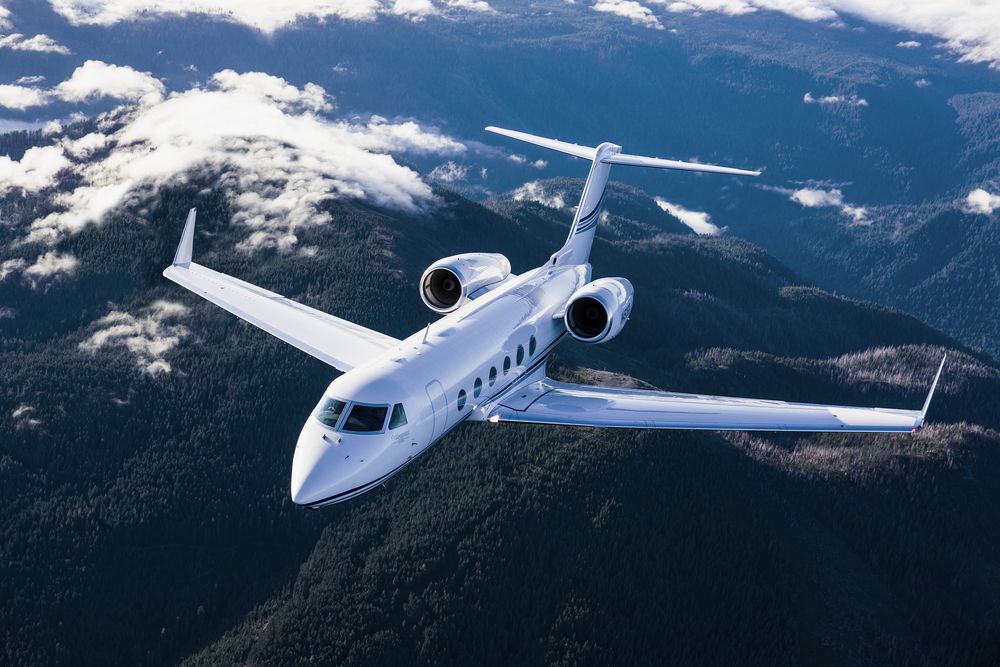
Operating costs can vary significantly between aircraft types. Generally, smaller aircraft with shorter-range capabilities are more economical on an hourly basis, whereas long-range jets are more expensive but offer nonstop international handling, travel and enhanced onboard comfort.
In the Australian market, turboprops and light jets are typically the most cost-effective choices for regional and interstate routes. Midsize jets provide a practical balance between cabin comfort and operating efficiency for longer domestic flights, while heavy jets and long-range aircraft command premium pricing due to their extended range, larger cabins, and luxury features.
As a general guideline, selecting the smallest aircraft that comfortably accommodates your passenger numbers and flight distance often provides the best overall value per trip.
2. Flight Time & Routing
Charter pricing is largely based on total flight hours; however, several important factors should be considered. Many operators apply a minimum billing period (often between 1.5 and 2 hours) even if the actual flight time is shorter. Naturally, longer distances result in higher costs due to increased fuel burn, maintenance requirements, and crew time.
Additionally, more complex itineraries involving multiple stops may incur extra positioning or “deadhead” charges if the aircraft needs to be relocated. When organising a trip with stopovers or layovers, it’s important to factor in how these elements may increase total billable flight hours and associated positioning fees.
3. Airport Fees & Handling Charges
Your choice of departure and arrival airports can have a meaningful impact on the overall cost of your charter. Major international airports typically impose higher landing fees, handling, and ramp costs, which can increase the total price of the flight. In contrast, regional airports and private terminals often have lower associated fees and provide quicker processing times.
For this reason, many charter clients opt for nearby smaller airports to minimise premium charges and reduce time spent on the ground.
4. Aircraft Positioning (Empty Legs)
If the aircraft isn’t already at your departure airport, the operator may need to fly it there without passengers, and that cost is passed on.
These are known as positioning or “empty leg” flights, and can increase or decrease your cost depending on how you book.
Empty legs can sometimes be your cost-saving opportunity.
Beyond Cost: What You’re Actually Paying For
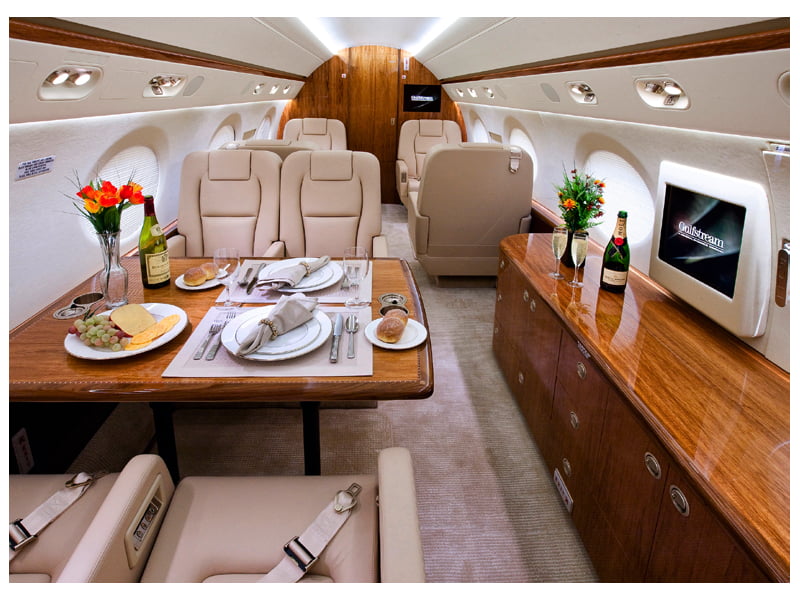
Charter isn’t just about moving from A to B. When you’re chartering a jet, pricing reflects a suite of value-added services:
Flexible Scheduling
You fly on your schedule, not an airline’s timetable.
This alone can save hours in travel time and deliver business jets or personal productivity gains.
Private Terminal Access
No crowded terminals. Passengers arrive minutes before departure at private FBOs, saving time and stress.
Customised Onboard Experience
Catering, ground transport, and personalised amenities are all available and often negotiable.
Access to More Airports
Private jet charter can operate from smaller airfields closer to your destination that commercial airlines don’t serve.
When you view charter through this lens (as time savings, convenience, and experience), pricing starts to make sense relative to total travel benefits.
Ways to Reduce Private Plane Charter Costs
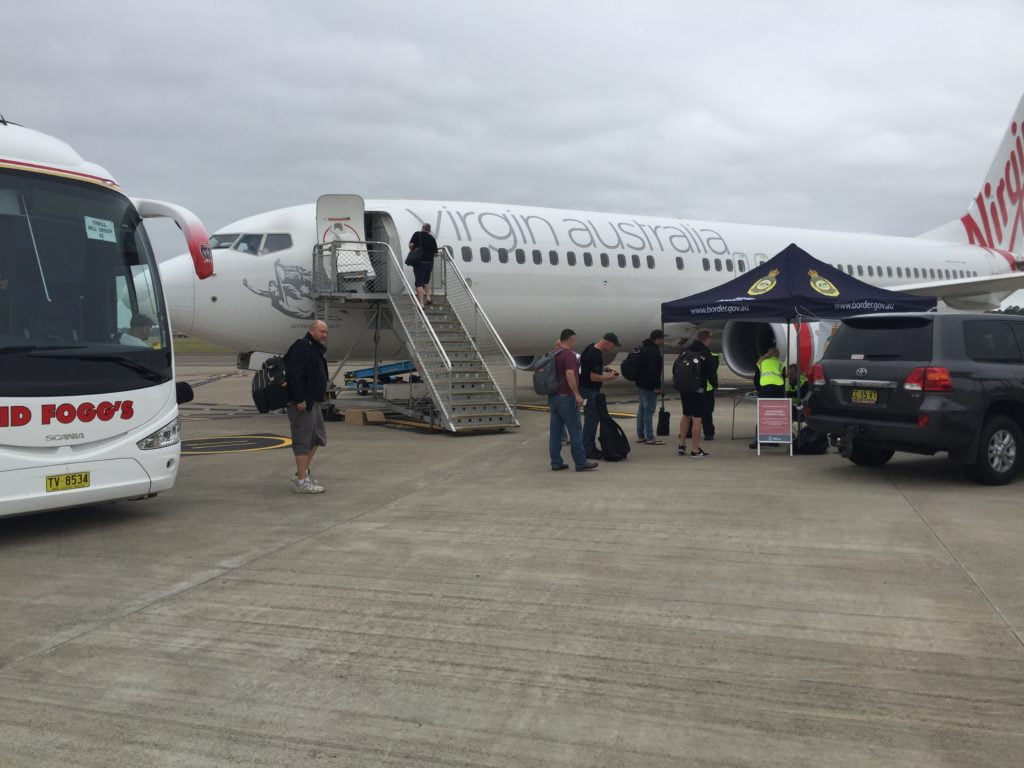
While charter isn’t “budget travel,” there are smart strategies to lower your overall cost:
1. Empty Leg Flights
These are repositioning flights that would fly without passengers anyway and can offer big discounts (sometimes up to ~70% off).
2. Choose Smaller Airports Where Possible
Reducing airport fees and ground handling charges can have a noticeable impact on the final bill.
3. Be Flexible with Timing
Off-peak travel windows often result in lower demand and more competitive pricing.
4. Compare Quotes from Operators and Brokers
Different operators price aircraft differently. Getting multiple quotes gives you negotiating leverage.
When Private Charter Offers Real Value
Chartering isn’t just for celebrities or VIPs with unlimited budgets. It delivers value in concrete scenarios such as:
Business Efficiency
For executives with tight schedules and back-to-back meetings, saving hours on travel can easily justify charter costs.
Family or Group Travel
When flying with a family or group, the cost per person of charter can approach or even beat first-class commercial fares, especially when airport connections and hassles are factored in.
Remote Destinations
If your itinerary includes locations poorly served by airlines, charter may be the only viable option.
Time-Sensitive Travel
When schedules are inflexible or high-stakes (e.g., important presentations, medical trips, comms), charter gives control and certainty.
What a Charter Flight Can Cost
Let’s look at some ballpark examples for popular Australian trips:
- Sydney → Melbourne on a light jet: typically in the lower hourly range, focused on quick turnarounds and high-frequency city travel.
- Brisbane → Sydney on a midsize jet: higher per hour due to aircraft range and cabin size.
- Perth → Melbourne or international flights on long-range jets: premium pricing reflecting time in the air and distance covered.
These are examples, not fixed ticket prices; the final quote will vary based on aircraft availability, positioning, airport choice, and extras included.
The Bottom Line
So, how much to charter a private jet?
There’s no one-size-fits-all answer. Instead, charter pricing is customised to your needs, route, and service preferences. True costs should be evaluated as total travel value, not just an hourly figure. With smart planning (flexible dates, empty-leg flights, multiple quotes), private jet charter becomes a strategic travel choice rather than just a luxury.
If you’re curious about a quote for your next trip (whether it’s business, leisure, or urgent travel), the best next step is to speak with an experienced charter specialist. They can tailor options to your itinerary and help you understand real pricing for your exact needs.