



Your complete guide to luxury long-haul flight essentials for comfortable, stress-free travel
Whether you’re crossing time zones for business or finally ticking off a bucket-list destination, long-haul travel is a marathon, not a sprint. Hours spent in a pressurised aeroplane cabin can leave you feeling cramped, dehydrated, and exhausted, but it doesn’t have to be that way. With the right travel essentials packed in your carry-on bag, you can arrive at your destination feeling refreshed and ready to explore. This guide covers the top 10 haul flight essentials every traveller should bring on board, from luxury long-haul flight essentials worth splurging on to smart, budget-friendly picks for any trip. Before you travel, it’s also smart to check your airline’s carry-on rules, weight limits, and what comes as standard on the aeroplane, so you know what you still need to pack.
Why Comfort Essentials Matter on Long Haul Flights (and Any Long Flight)
A long flight of 8, 12, or even 18+ hours puts real demands on your body when you travel. Cabin pressure reduces humidity to as low as 12%, which accelerates dehydration in the air. Sitting in a cramped plane seat for hours can affect circulation, and disrupted sleep rhythms leave many travellers feeling jet-lagged for days after travel. The good news for your next trip? A handful of well-chosen essentials for your long-haul flight can make a great difference to how comfortable and rested you feel by the time you land. Think of your carry-on bag as your in-flight survival kit for the plane. For a smoother trip, keep the things you’ll use most on the plane in one place, and do a quick check before you leave for the airport so nothing important is left behind.
The Top 10 Long Haul Flight Essentials
1. Travel Neck Pillow (a long-haul favourite)
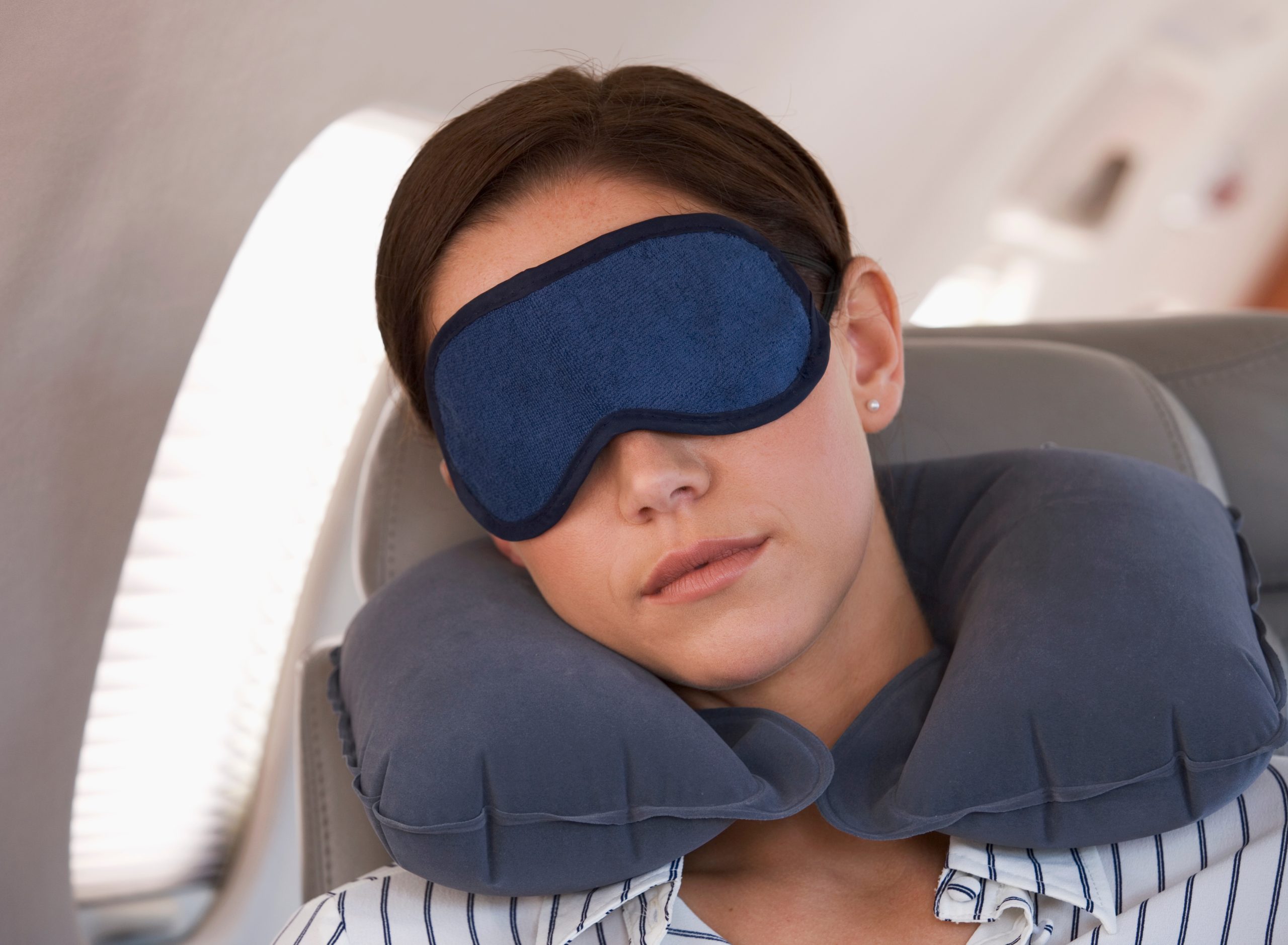
A quality travel pillow is arguably the single best item you can pack for a long-haul flight. Standard airline pillows are thin and rarely provide the neck support you need to sleep comfortably on a plane seat. Memory foam neck pillows (particularly wrap-around styles) cradle your head and prevent it from drooping sideways, reducing neck stiffness that so often ruins the first day of a trip and making long-haul travel easier. For a luxury long-haul flight essential, look for pillows with a washable cover and a compact carry bag so they fit neatly into your luggage and leave room for extra layers. Popular picks include the Trtl Travel Pillow, which wraps around the neck like a scarf, and the Cabeau Evolution Classic, a full memory foam option that frequent long-haul travellers like.
2. Noise-Cancelling Headphones or Earplugs (a travel favourite)
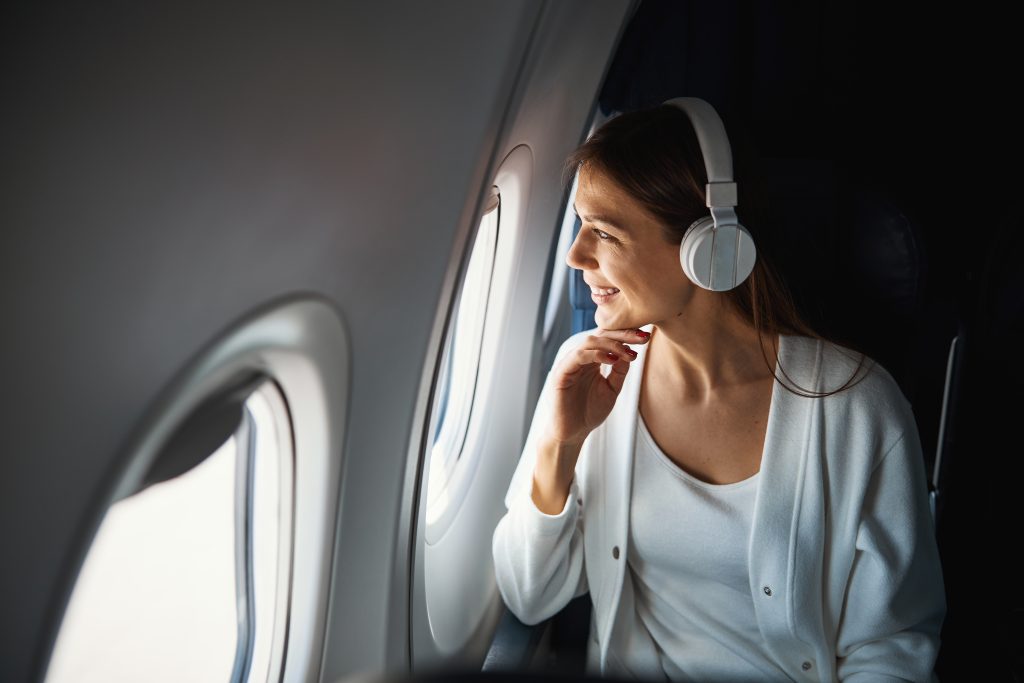
Aeroplane cabins are surprisingly loud; engine drone, announcements, crying babies, and chatty neighbours can make it nearly impossible to sleep or focus during travel. Noise-cancelling headphones are a top-tier travel essential for long flights and frequent flying. Brands like Sony and Bose offer wireless over-ear models that block ambient noise and deliver excellent audio quality for movies and music on the plane. If you prefer to travel light, a set of foam earplugs is a budget-friendly alternative that takes up almost no space in your bag and helps on any flight. Either way, protecting your ears from cabin noise will help you sleep more deeply and arrive far less fatigued from the flight.
3. A Reusable Water Bottle (one of the best travel essentials)
Staying hydrated during a long-haul flight is crucial, yet it’s one of the most overlooked travel essentials for any trip. Cabin air is extremely dry, and the effects of mild dehydration (headaches, fatigue, and dry skin) can easily be mistaken for jet lag after travel. While flight attendants do offer water service, the intervals between rounds can be long, so you may want to plan for extra sips. Pack an empty reusable water bottle in your carry-on and fill it at the airport after passing through security to make travel easier. Aim to drink at least 250ml of water per hour of flight. If you don’t want to rely on the cart service, ask for extra water when it comes around, and keep sipping throughout the flight. Avoid excess alcohol and caffeine, which both accelerate fluid loss when you travel. A collapsible silicone bottle is a great space-saving option that packs flat when empty—handy if you like to keep things minimal in your bag.
4. Sleep Mask
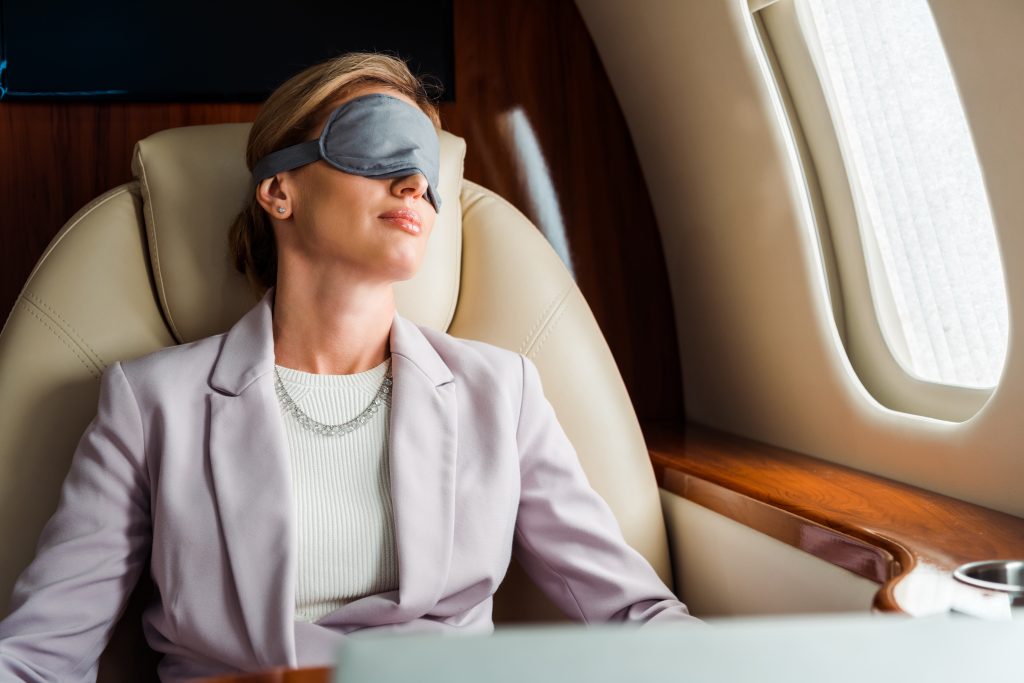
Most airline cabins struggle to achieve true darkness, especially on daytime or partially lit overnight flights on an airplane. A contoured sleep mask blocks out light entirely, signalling to your brain that it’s time to sleep. Unlike the flimsy airline-issue masks, a padded, contoured mask doesn’t press directly against your eyelids, making it far more comfortable for extended wear and gentler on the eye area. This is one of those carry-on essentials that weighs almost nothing and takes up minimal space in your bag, yet has an outsized impact on the quality of sleep you can get during the flight—especially if you have sensitive eyes. Pair it with your neck pillow and earplugs for the best sleep setup on the plane. If you wake up with dry eye irritation, a mask that doesn’t press on the eye area can help you sleep comfortably for more hours.
5. Compression Socks (best for circulation)
Sitting for hours on a plane reduces circulation in your legs, which can cause swelling, discomfort, and in rare cases, deep vein thrombosis (DVT) during travel. Compression socks are a medically endorsed travel essential for long-haul flights, applying gentle graduated pressure to the calves to keep blood moving. They’re particularly important if you’re flying for 8 or more hours on a long flight. Modern compression socks come in stylish, discreet designs, a far cry from the clinical white stockings of old—an easy upgrade for your travel kit. Wear them from the moment you board the aeroplane and take them off once you land at your destination. Combine them with regular walks up and down the aisle and ankle rotation exercises to keep your legs feeling good throughout the journey and help your body handle long-haul travel. If you have any medical risk factors, check with a clinician before the trip, and consider travel insurance that covers trip disruption and medical care at your destination.
6. Comfortable, Layerable Clothing (pack extra layers)
What you wear on a long-haul flight matters more than most people realise, and it can make travel far easier. Cabin temperatures can swing dramatically on a plane. It might be stifling on the tarmac and freezing at cruising altitude. The key is to wear loose, breathable clothing and layer up, so you can adjust quickly while you travel. A lightweight merino wool base layer or a soft bamboo fabric is ideal: both regulate body temperature, resist odours, and feel comfortable against skin after many hours of wear. Avoid tight waistbands and stiff denim, which become increasingly uncomfortable over a long flight and can make travel feel longer than it is. Pack a lightweight cardigan or zip-up hoodie in your carry-on bag so you can add or remove a layer as the cabin temperature changes, and keep an extra pair of socks handy. Slip-on shoes make airport security easier and can be swapped for compression socks once you’re on the plane, which helps you stay comfortable while you travel. Before you head to the airport, check the weather at your destination so you can travel in layers that work when you land, not just on the plane.
7. Skincare and Toiletry Essentials (best for dry air)
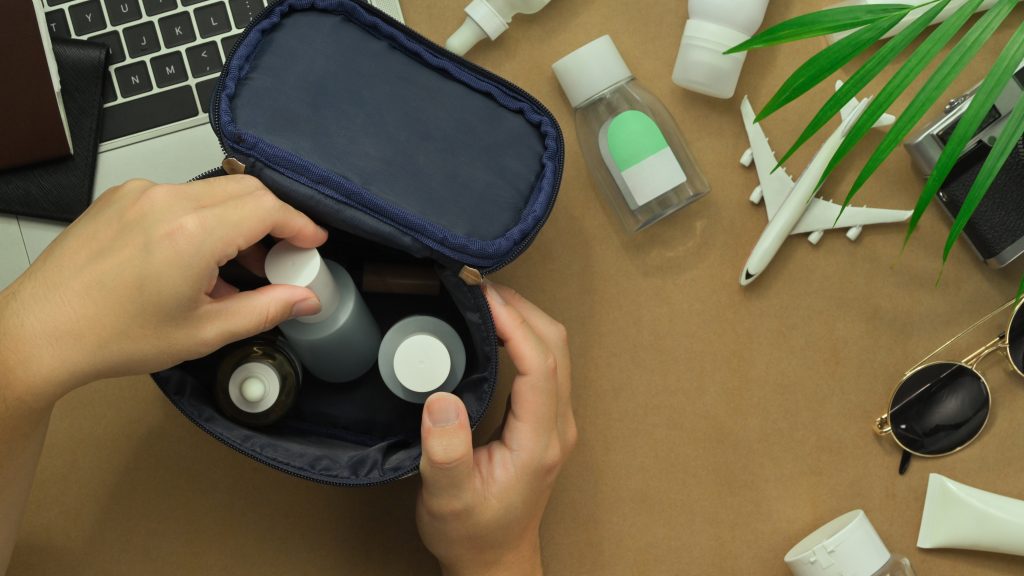
Dry cabin air is brutal on skin. A compact skincare kit is a must-have travel essential for anyone who wants to arrive looking and feeling their best after a flight. Pack a travel-sized moisturiser, lip balm, and facial mist in your carry-on so you can use them as needed. These are especially valued as luxury long-haul flight essentials by frequent flyers who treat the cabin as an opportunity to rehydrate their skin rather than damage it during travel. A small tube of hand cream is another worthwhile addition, as hands dry out quickly during long flights, and a gentle eye cream can be a good extra if you’re prone to dryness. Keep your toiletry bag within easy reach in the overhead bin or under the seat in front so you can freshen up mid-flight and stay organised. Remember to keep liquids under 100ml to comply with carry-on security rules at the airport, and check your airline’s allowances before you travel. Decanting products into small bottles keeps your bag light and helps you check liquids quickly at airport security.
8. Snacks (things that travel well)
Airline meals are often heavy, salty, and served at odd hours that can disrupt your body clock during travel. Packing your own snacks gives you control over what and when you eat, which matters a lot on a long flight—especially if you want to keep energy steady for the rest of the trip. Good options include nuts, dried fruit, muesli bars, and rice cakes, things that are high in protein or complex carbohydrates to keep energy levels steady without the bloating that can come from processed airline food. Avoid very salty snacks, which contribute to dehydration, and heavy meals right before or during the flight. If you’re travelling with kids, having a bag of snacks on hand is absolutely non-negotiable for the trip and will help avoid stress on the plane. Pack them in a small ziplock bag or snack container that’s easy to access from your carry-on, and keep extra wipes for quick clean-ups. This also helps you pace meals on a long flight, especially if you want to avoid feeling sluggish when you land.
9. Entertainment and Offline Downloads (book before you travel)
Even if your long-haul flight has in-seat entertainment, it’s always worth loading up your phone or tablet with offline content before you board the plane. Download movies, TV series, podcasts, audiobooks, or an e-book, so you have plenty to keep yourself occupied during those long hours in the air; a good book is still one of the best ways to pass the time on a flight. Many streaming services, including Netflix and Spotify, allow offline downloads, and you can also book podcasts or audiobooks in advance so you know you’ll have something you like. A portable power bank is a valuable addition to your travel bag, ensuring your devices stay charged throughout the flight, even if the seat USB port is unreliable. Bring your own charging cable and a universal adapter if you’re travelling internationally, as power outlets vary between aircraft and destinations, and you may need to charge more than one device. It’s worth checking whether your aeroplane has a power outlet at the seat and packing a power bank as extra backup, plus the cable you need to charge your phone.
10. A Well-Organised Carry-On Bag (your travel backpack or tote)
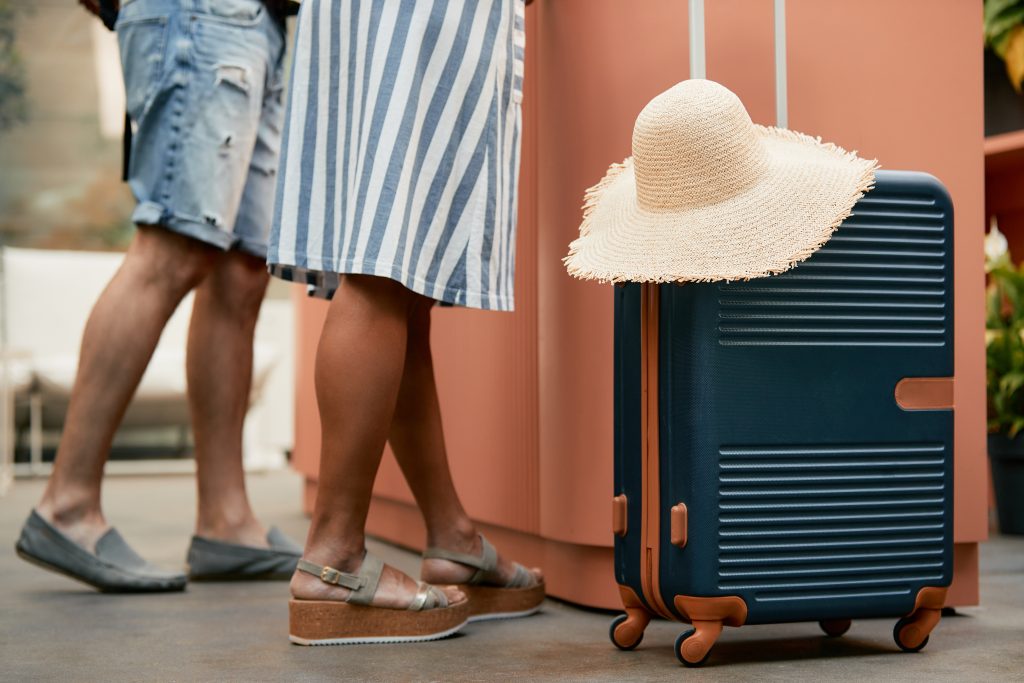
The humble carry-on bag is your command centre for the entire journey, so it’s worth packing it thoughtfully for travel. Use packing cubes or small pouches to keep your essentials organised and easy to find without pulling everything out, which helps on a plane when space is tight. Keep your most-used items (water bottle, snacks, headphones, and passport) in an outer pocket for quick access and to help you stay organised on travel days. A personal item bag that fits under the seat in front is ideal for your immediate flight essentials, so you don’t need to get up to access the overhead bin every time you want something on the plane. Label your bag with a distinctive luggage tag so it’s instantly recognisable on the carousel after landing, and check that your contact details are current in case luggage goes missing. A small backpack can work well as a personal carry item if you want your flight essentials within reach on the plane.
Frequently Asked Questions
Before your trip, consider travel insurance for delays, missed connections, and lost luggage; it can help you manage the practical fallout if a flight goes sideways.
What are the must-have essentials for a long-haul flight and trip?
The absolute must-haves are a travel neck pillow, noise-cancelling headphones or earplugs, a sleep mask, a reusable water bottle, and compression socks (these are the best starting points for long-haul travel). These five items address the biggest challenges of long-haul travel: sleep quality, noise, hydration, and circulation, and they help with the things that typically make a long flight feel harder.
Why is hydration so crucial during a long flight, and what should you know?
Aircraft cabins maintain very low humidity levels (often around 10–12%) compared to the 40–60% humidity we’re used to on the ground, so you lose moisture faster in the air. This causes your body to lose moisture faster than usual, leading to headaches, fatigue, dry skin, and reduced alertness. Drinking water regularly throughout the flight and avoiding excess alcohol and caffeine helps counteract this effect, and it’s a simple habit that can help across your whole trip.
What should I wear on a long-haul flight day?
Choose loose, breathable layers that you can adjust easily while you travel. A soft t-shirt or base layer in merino wool or bamboo fabric paired with comfortable trousers and a lightweight cardigan or hoodie is ideal for a plane cabin. Avoid tight jeans, uncomfortable belts, and high heels. Slip-on shoes make it easy to remove footwear during the flight and at airport security checkpoints, and they’re a good choice if you want to stay comfortable.
Pack Smart, Travel Better
A long-haul flight doesn’t have to be an ordeal. With the right essentials packed in your carry-on bag, you can sleep better, stay hydrated, keep yourself entertained, and arrive at your destination feeling genuinely good. Whether you invest in a few luxury long-haul flight essentials or work with budget-friendly alternatives, the key is to plan and pack intentionally.
Use this list as your starting point and customise it based on your flight duration, destination, and personal preferences. Happy travels, and may your next long flight be your most comfortable one yet.
Prefer to Skip the Queue Entirely? Fly Private with Air Charter Network
If you’re serious about comfort and convenience on your next journey, why not take it one step further? Air Charter Network is Australia’s trusted private jet and aircraft charter specialist, available 24 hours a day, 7 days a week. Rather than packing a carry-on full of survival essentials, you could be boarding a private aircraft tailored entirely to you, on your schedule, from a private terminal, with no crowds, no middle seats, and no compromises.
Air Charter Network arranges bespoke charter flights to destinations across Australia and worldwide. Whether you’re travelling solo, with a group, or planning a luxury escape, their experienced team handles every detail of your journey, from aircraft selection to catering and ground transport. With access to everything from nimble executive jets to large cabin aircraft, and with offices in Sydney, London, New York, and Dubai, they truly offer global reach with a personal touch.
Why Travellers Choose Air Charter Network
- 24/7 availability – day or night, whenever you need to travel
- Private terminals – skip the commercial airport crowds entirely
- Transparent, all-inclusive pricing – no hidden fees or surprise costs
- Empty leg flights available – save up to 70% on private jet hire
- Groups of 2 to 200+ – from executive travel to large-scale group charters
Private jet travel isn’t just for celebrities: it’s a practical, time-efficient option for anyone who values a truly seamless journey. And if you do still want to pack your neck pillow and noise-cancelling headphones, they’ll be far more enjoyable in a private cabin.
Get a quick quote or speak to the team on 1300 850 747.
Visit www.aircharternetwork.com.au to explore your options.