






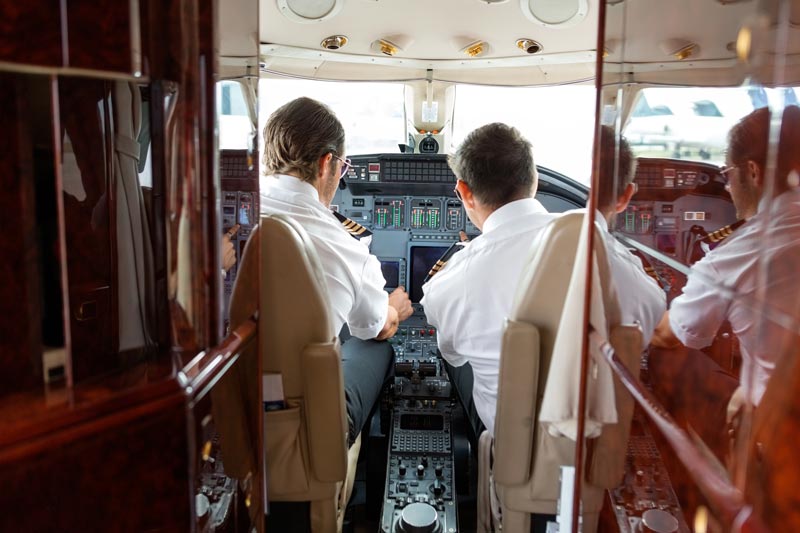
Which private jet category suits your specific travel requirements? The selection between compact light aircraft and spacious long-range options can make or break your aviation investment success.
Your aircraft choice shapes every aspect of your private flying experience. The wrong selection impacts comfort levels, operational costs, and overall travel satisfaction in ways that extend far beyond the initial purchase or charter decision.
Each private jet category serves distinct mission profiles with unique strengths. Very light jets excel at short regional hops, while executive airliners accommodate large groups across continents. So, how do you identify which aircraft type delivers optimal value for your specific needs?
This guide breaks down the essential characteristics of each private jet category, from performance specifications to cabin experiences.
Very Light Jets (VLJs)
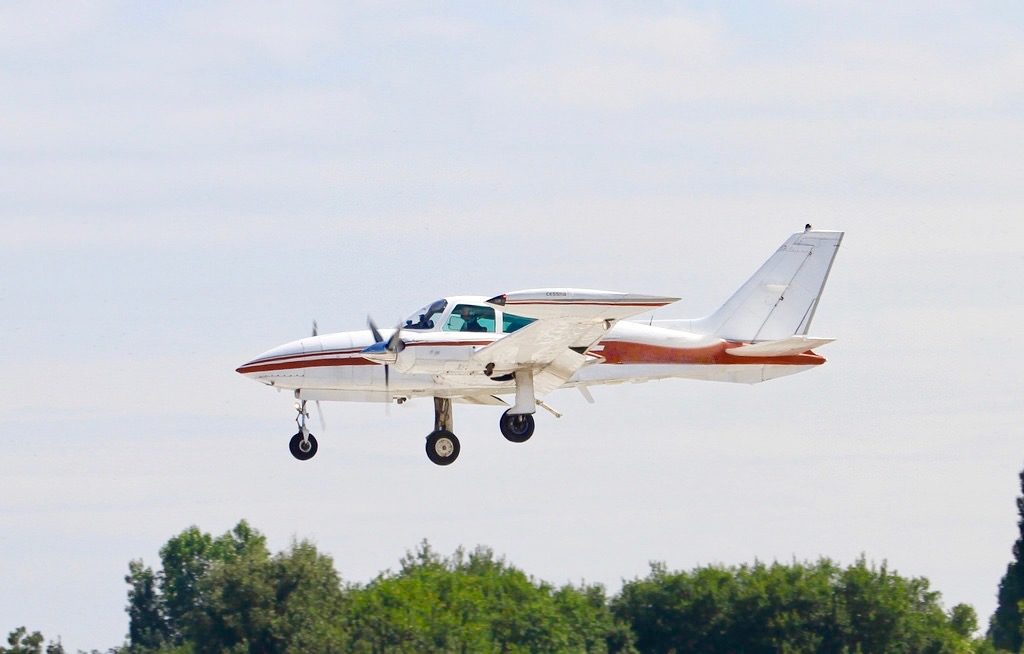
Super Light Jets open the door to private aviation without the substantial financial commitment of larger aircraft. These compact jets deliver the core benefits of private flying (time savings, convenience, and privacy) at the most accessible price point in the market.
Very Light Jets key features
Think of VLJs as the efficient workhorses of private aviation. Their design prioritises practicality and cost-effectiveness over luxury amenities:
- Passenger capacity: 4-6 travellers in most configurations
- Range capabilities: 1,300-1,800 km on average
- Cruising speeds: 700-850 km/h
- Single-pilot operation: Many models are certified for solo pilot operations
- Airport flexibility: Access to smaller regional airports with shorter runways
The Embraer Phenom 300 represents the premium end of this category, accommodating 8-9 passengers with an impressive 3,650 km range and 843 km/h cruising speed. This aircraft has earned particular favour for regional business routes and shorter international journeys.
What sets VLJs apart is their ability to operate from airports that larger jets simply cannot reach. This capability often brings you closer to your final destination than commercial alternatives, eliminating hours of ground transport at both ends of your journey.
Very Light Jets’ best use cases
VLJs excel when speed and convenience matter more than cabin luxury. These aircraft prove particularly valuable for:
Regional business circuits where executives need to visit multiple locations within a single day. Commercial flights with connections would make these itineraries impossible or extremely inefficient.
Small team travel involving 2-4 people who prioritise arrival time over in-flight amenities. The intimate cabin environment actually enhances collaboration during shorter flights.
First-time private jet experiences for individuals or companies exploring private aviation without committing to larger, more expensive aircraft categories.
Routes under 2-3 hours represent the sweet spot for VLJs. Here, their speed advantage over turboprops combines with their cost advantage over larger jets, creating exceptional value for time-conscious travellers.
Very Light Jets pricing considerations
The economics of VLJs make private aviation accessible to a much broader market than ever before.
Charter rates typically run significantly lower than other private jet categories due to reduced fuel consumption, simpler maintenance requirements, and smaller crew needs. Many VLJs operate with a single pilot, further reducing operational costs.
Empty leg opportunities can deliver savings up to 70% off standard charter rates. These flights occur when aircraft reposition for other charters, offering the same service quality at dramatically reduced prices for flexible travellers.
Australian businesses increasingly utilise VLJs as cost-effective executive transport solutions. The balance between time-saving benefits and controlled expenses makes these aircraft particularly attractive for companies monitoring travel budgets while maximising productivity.
Very Light Jets cabin experience
VLJ cabins focus on essential comfort and efficiency rather than luxury appointments.
Practical amenities include basic refreshment facilities, power outlets for electronic devices, and emergency toilet facilities rather than full lavatories. These provisions address essential needs without unnecessary weight or complexity.
Baggage capacity requires strategic packing, as space remains limited compared to larger aircraft. Most models accommodate standard carry-on luggage plus some additional soft bags. Perfect for short business trips but less suitable for extended travel with substantial baggage requirements.
For travellers accustomed to commercial aviation sector, even entry-level private jets deliver meaningful upgrades in privacy, convenience, and time efficiency (benefits that often outweigh the more modest cabin amenities).
Light Jets
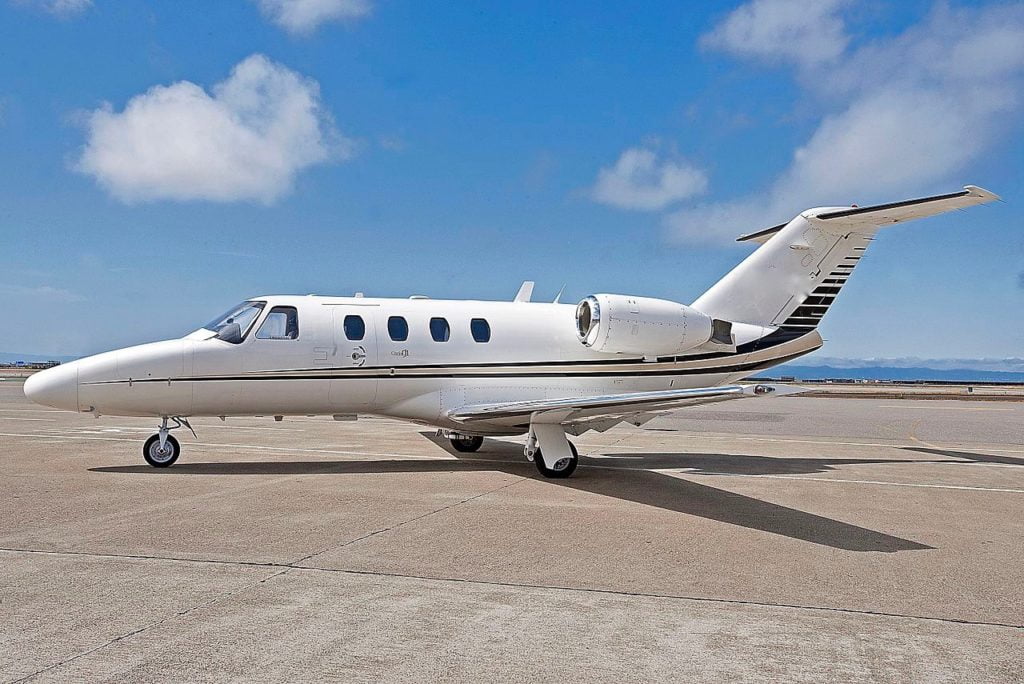
Light Jets hit the sweet spot where accessibility meets genuine capability. These aircraft function as the backbone of business aviation, delivering enhanced performance without the operational complexity of larger jets.
Light Jets key features
The step up from Very Light Jets brings meaningful improvements across every performance metric:
- Comfortable seating for 6-8 passengers
- Range capabilities spanning 2,000-3,000 km
- Cruising speeds of 700-850 km/h
- Access to smaller regional airports
- Reduced runway requirements compared to midsize aircraft
Take the Cessna Citation 650, for example, which can 8-passenger capacity, 3,774 km range, and cruising speeds reaching 875 km/h. This performance combination eliminates the need for fuel stops on many popular business routes while maintaining cost-effectiveness.
Light Jets best use cases
These aircraft excel when your travel needs outgrow Very Light Jets but don’t justify larger aircraft expenses:
Regional business circuits become efficient with Light Jets handling 2-4 hour routes cost-effectively. Sydney to Melbourne, Brisbane to Adelaide—distances that would strain smaller jets while not requiring midsize aircraft capabilities.
Executive teams benefit from cabin space that accommodates productive meetings during flight. The increased room allows collaborative work without the cramped conditions of smaller aircraft.
Airport flexibility remains a key advantage, with Light Jets accessing regional airports that bring you closer to final destinations. This capability often eliminates hours of ground transportation at each end.
Light Jets pricing considerations
The economics of Light Jets create compelling value within private aviation options.
Charter rates position these aircraft between Very Light Jets and Midsize categories as they have increased capability without dramatic cost escalation. The operating economics support frequent use for businesses requiring regular private travel.
Jet card programs often focus on Light Jets because they serve most private flying needs without premium pricing. Fixed hourly rates with guaranteed availability make budget planning straightforward. Modern Light Jets demonstrate improved fuel efficiency through advanced aerodynamics and engine technology.
Light Jets cabin experience
The cabin environment balances comfort with practicality, offering genuine improvements over smaller aircraft without luxury jet premiums.
Standard amenities include refreshment centres, power outlets, and entertainment systems. Most importantly, Light Jets feature proper lavatories—a meaningful upgrade from the emergency facilities in Very Light Jets.
Baggage capacity accommodates standard business travel requirements, with both internal space accessible during flight and external compartments for additional items.
Light Jets deliver core private aviation benefits, including time saving, convenience, privacy, and productivity, while remaining financially accessible to a broader range of businesses and individuals than larger aircraft categories.
Midsize and Super Midsize Jets
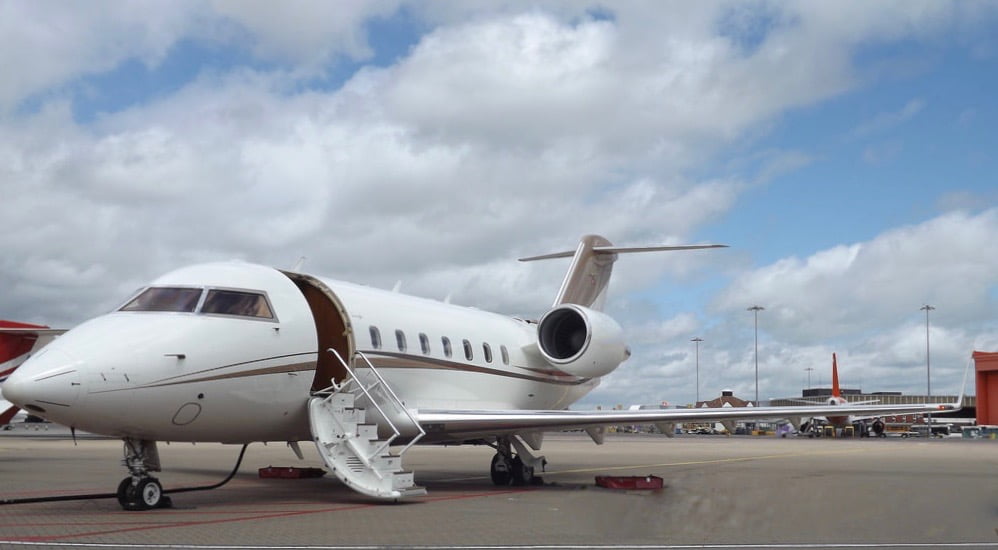
The midsize category marks where private aviation transitions from efficient transport to genuine luxury travel. These aircraft deliver the space and amenities that smaller jets simply can’t accommodate while avoiding the premium operational costs of heavy jets.
Midsize Jets key features
Performance specifications set midsize jets apart from their lighter counterparts:
- Passenger capacity: 8-13 travellers in genuine comfort
- Range capabilities: 3,000-6,300 km for extended journeys
- Cruising speeds: 800-850 km/h for time-efficient travel
- Stand-up cabins allowing unrestricted movement
- Professional flight attendant service standard
Midsize jets incorporate auxiliary power units (APUs) that maintain electricity, heating, and cooling systems without running main engines. This feature ensures passenger comfort during ground operations.
Midsize Jets best use cases
Transcontinental business travel represents the primary strength of midsize jets. Routes that would require fuel stops in smaller aircraft become single-leg journeys, eliminating the time penalties and complications of intermediate stops.
Multi-city business development becomes remarkably efficient with midsize jets. Executives can visit multiple locations within a single day without the schedule constraints imposed by commercial aviation connections.
Australian businesses frequently select midsize jets for regional expansion throughout Southeast Asia and the Pacific. The extended range capabilities make destinations like Singapore, Tokyo, or Auckland accessible without fuel stops.
Midsize Jets pricing considerations
Charter rates reflect the substantial capability increases these aircraft deliver. While costs exceed those of light jets, the value proposition often improves when calculated per passenger or per hour of productive travel time.
Operational economics include two-pilot requirements and flight attendant service, increasing crew costs compared to smaller aircraft. However, the per-passenger efficiency often improves when travelling with larger groups.
Midsize Jets cabin experience
Freedom of movement defines the midsize cabin experience. Cabin layouts typically feature multiple distinct zones: forward club seating, conference facilities, and relaxation spaces. This compartmentalisation allows simultaneous activities without passenger interference.
Galley capabilities expand dramatically, with hot food preparation, espresso machines, and full refreshment centres becoming standard. Professional flight attendants elevate dining from airline-style service to restaurant-quality experiences.
For Australian business owners seeking substantial comfort upgrades without super Midsize jet premiums, midsize aircraft deliver exceptional value through their combination of range, amenities, and operational flexibility.
Heavy Jets and Ultra Long Range Jets
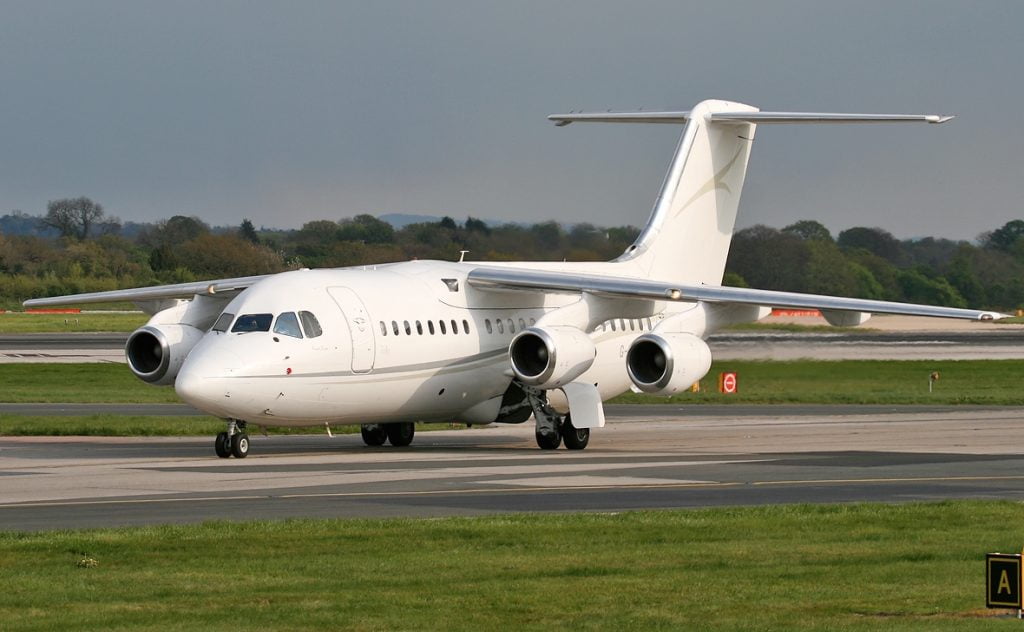
Premium global travel demands premium aircraft solutions. Heavy Jets and Ultra Long Range Jets occupy the apex of private aviation, delivering intercontinental capabilities that smaller aircraft simply cannot match.
What sets these aircraft apart isn’t just size—it’s the ability to connect any two points on the globe while maintaining luxury hotel standards throughout the journey. These jets don’t just transport passengers; they create mobile environments that rival the finest accommodations.
Heavy Jets key features
The performance specifications of Heavy Jets separate them decisively from smaller aircraft categories:
- Passenger capacity: 10-19 travellers in genuine luxury
- Range capabilities: Often exceed 6,000 km non-stop
- Cruising speeds: 850-900 km/h consistently
- Cabin heights: Typically exceed 1.8 metres for unrestricted movement
- Crew service: Dedicated flight attendant service as standard
- Cabin zones: Multiple distinct areas for varied activities with cabin environment controls
Advanced avionics systems enhance safety margins in challenging weather conditions that might ground smaller aircraft. The robust engineering allows operations across varying climates and airport elevations that would restrict other jet categories.
Baggage capacity expands dramatically compared to smaller categories. Both internal compartments are accessible during flight, and substantial external storage accommodates the extensive luggage requirements of international travel involving multiple passengers.
Heavy Jets best use cases
When do Heavy Jets justify their premium positioning? The answer lies in specific travel demands that smaller aircraft cannot fulfil:
Intercontinental business operations represent the primary domain. Perth to Singapore, Sydney to Los Angeles, or Melbourne to Dubai become single, comfortable business jet flights rather than exhausting multi-stop journeys with connections and delays.
Corporate leadership teams utilise these aircraft as airborne headquarters during global expansion initiatives. The cabin space supports confidential meetings while maintaining communication capabilities throughout international airspace.
High-profile travel benefits from enhanced privacy through direct routing between private terminals. This eliminates public exposure at commercial airports (particularly valuable for executives, celebrities, or government officials requiring discretion).
Extended international travel becomes practical when passengers need substantial luggage capacity. Families relocating internationally or business teams carrying specialised equipment find the expanded storage essential.
Diplomatic missions frequently select Heavy Jets for secure international transport. The combination of range, security features, and communication capabilities creates ideal conditions for sensitive discussions during transit.
Heavy Jets pricing considerations
The financial commitment reflects the premium positioning of these aircraft:
Charter rates represent substantial investments, yet the economics become reasonable when calculated per passenger on long-distance routes.
Operational requirements include two pilots, dedicated flight attendants, and sometimes a relief crew for extended missions. Fuel consumption constitutes a significant operational expense, though efficiency per passenger often improves with full capacity utilisation.
Heavy Jets cabin experience
The cabin environment transcends transportation to create genuine luxury experiences:
Interior configurations feature multiple distinct zones. This compartmentalisation allows simultaneous activities without disruption throughout long flights.
Full-service galley capabilities rival fine restaurants, with full-size ovens, comprehensive refrigeration, and extensive storage supporting sophisticated catering even on extended flights. Professional cabin crew deliver restaurant-quality service.
Technology integration includes satellite communications, global Wi-Fi (internet capabilities), comprehensive entertainment systems, and sophisticated cabin management. Passengers maintain connectivity regardless of location, over oceans or remote regions.
Executive Airliners and Group Charters
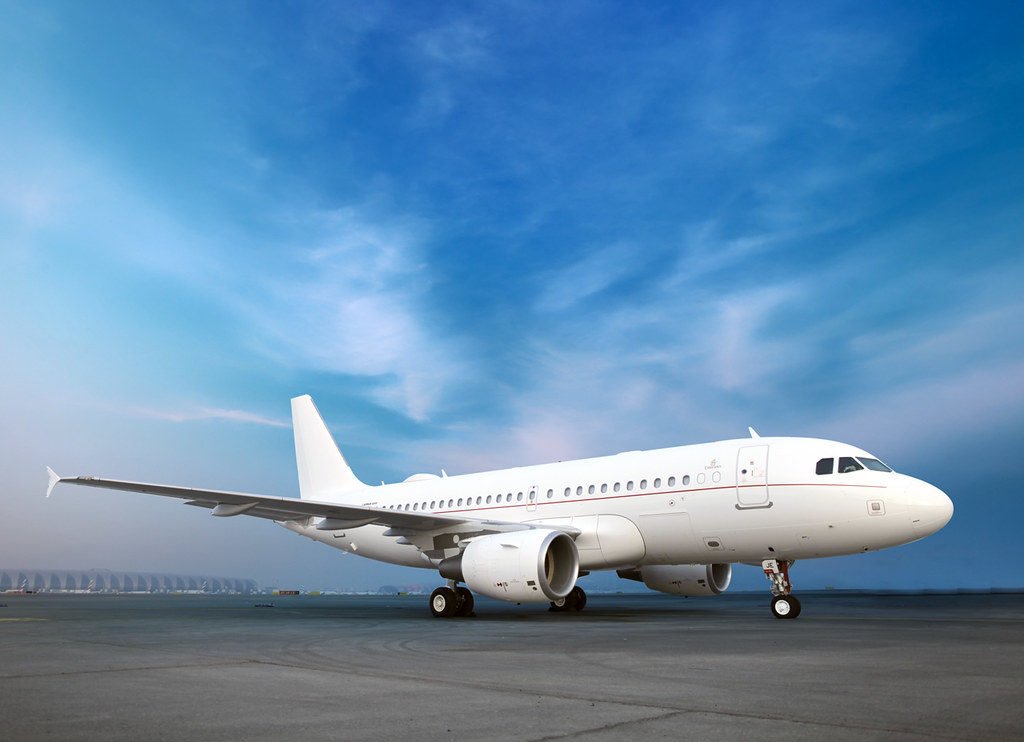
When you need to transport 20, 50, or even 200+ people with the privacy and control of private aviation, what options exist? Executive Airliners fill this unique niche between traditional private jets and commercial aircraft, delivering specialised solutions for large group transport requirements.
These aircraft serve a distinct market segment that standard private jets simply cannot accommodate. While a Heavy Jet might handle your executive team, what happens when your entire company needs to travel together for a major product launch or annual conference?
Executive Airliners key features
Executive Airliners operate on an entirely different scale from conventional private jet categories:
- Passenger capacity ranging from 20-200+, depending on specific configuration requirements
- Extended range capabilities supporting international group movements
- Modified commercial aircraft frames featuring fully customised interior layouts
- Multiple distinct cabin zones are designed for various group activities
- Substantial baggage capacity accommodating equipment and extended stay requirements
- Operational capability from major airports worldwide with appropriate infrastructure
The fundamental difference lies in their role as mobile venues rather than simple transportation. Unlike smaller private jets designed around individual comfort, Executive Airliners prioritise group functionality and operational flexibility above all else.
Executive Airliners best use cases
Which scenarios justify the expense and complexity of Executive Airliners? Several industries rely heavily on these specialised aircraft:
Entertainment and touring operations represent the most visible application. Music artists, production crews, and equipment travel together efficiently between performance venues across continents. The aircraft serves simultaneously as transport, rehearsal space, and mobile headquarters.
Corporate group movements become manageable rather than logistical nightmares when utilising Executive Airliners. Company-wide meetings, product launches, or client events requiring precise coordination benefit enormously from consolidated travel arrangements.
Professional sports teams depend on these aircraft for competitive advantages. Entire squads, coaching staff, medical teams, and equipment travel together without commercial flight complications or public terminal exposure. Teams arrive refreshed and focused rather than scattered and stressed.
FIFO operations in mining and remote industries require Executive Airliners for workforce rotation. These aircraft efficiently transport large crews to locations with limited or non-existent commercial service options.
Organisations requiring precise control over large group movements where schedule flexibility and privacy create competitive advantages.
Executive Airliners pricing considerations
How do Executive Airliners stack up financially against alternative transportation methods?
Charter costs operate on per-aircraft rather than per-seat pricing models, making them remarkably cost-effective when utilised at full capacity. The per-person economics often compare favourably to business class commercial tickets when you factor in time savings and logistical simplification.
Long-term contracts prove particularly advantageous for organisations with recurring large group travel requirements. Mining companies, sports organisations, and touring groups often secure favourable rates while guaranteeing consistent service availability.
Executive Airliner’s cabin experience
What does the passenger environment offer when flying with dozens of other travellers aboard a private aircraft?
Interior configurations adapt to specific mission requirements, ranging from all-first-class seating to specialised multi-zone layouts featuring meeting spaces, sleeping quarters, dining areas, and entertainment sections. This flexibility allows customisation to precise group needs rather than one-size-fits-all solutions.
Galley capabilities support full-service dining for large groups, with professional flight attendants delivering restaurant-quality service throughout longer journeys. Complete meal service for 50+ passengers becomes entirely practical rather than logistically impossible.
Technology integration includes robust connectivity systems supporting multiple simultaneous users, specialised equipment for business or entertainment requirements, and communication systems enabling coordination with ground operations.
Executive Airliners deliver unique combinations of group capacity and private aviation benefits, creating solutions for organisations’ travellers needing to move substantial numbers of people with maximum efficiency and control.
Aircraft Specifications at a Glance
Need to compare key specifications across different private jet categories? This reference table simplifies the decision-making process by presenting essential performance data and use cases side-by-side.
The numbers tell the story of how each aircraft category serves different mission requirements. Range capabilities determine your route options, while passenger capacity affects group travel dynamics and per-person costs.
organisationsKey Decision Factors:
- Routes under 2,000 km? VLJs and Light Jets provide cost-effective solutions
- Need transcontinental capability? Midsize jets offer the best balance of range and economics
- Regular international travel? Heavy jets eliminate fuel stops and maximise comfort
- Moving large groups? Executive Airliners deliver unmatched capacity with private aviation benefits
This comparison highlights how aircraft capabilities align with specific travel patterns. Your mission requirements should drive the selection process rather than cabin luxury alone.
Conclusion
Your private jet selection shapes every aspect of your aviation experience—from operational costs to travel comfort. The key lies in matching aircraft capabilities to your specific mission requirements without paying for unnecessary features or accepting compromises that limit your travel effectiveness.
Each aircraft category serves distinct purposes. Very Light Jets suit short regional hops and small groups entering private aviation. Light Jets handle longer regional routes with enhanced comfort. Midsize jets excel at transcontinental travel with true cabin luxury. Heavy jets dominate intercontinental missions with hotel-like amenities. Executive Airliners move large groups efficiently while maintaining private aviation benefits.
The most successful private jet selections balance four critical factors, including range requirements, passenger capacity, operational economics, and airport accessibility. Many Australian business owners discover their aviation needs evolve, starting with occasional VLJ charters before progressing to larger aircraft as travel frequency increases and mission requirements expand.
Ready to experience the perfect private jet for your needs? Contact Air Charter Network for professional aircraft charter services and expert guidance tailored to your specific travel requirements.
The right private jet eliminates transportation hassles and creates productive travel experiences that extend your business capabilities. Your selection today determines whether private aviation becomes a strategic advantage or merely an expensive convenience.