




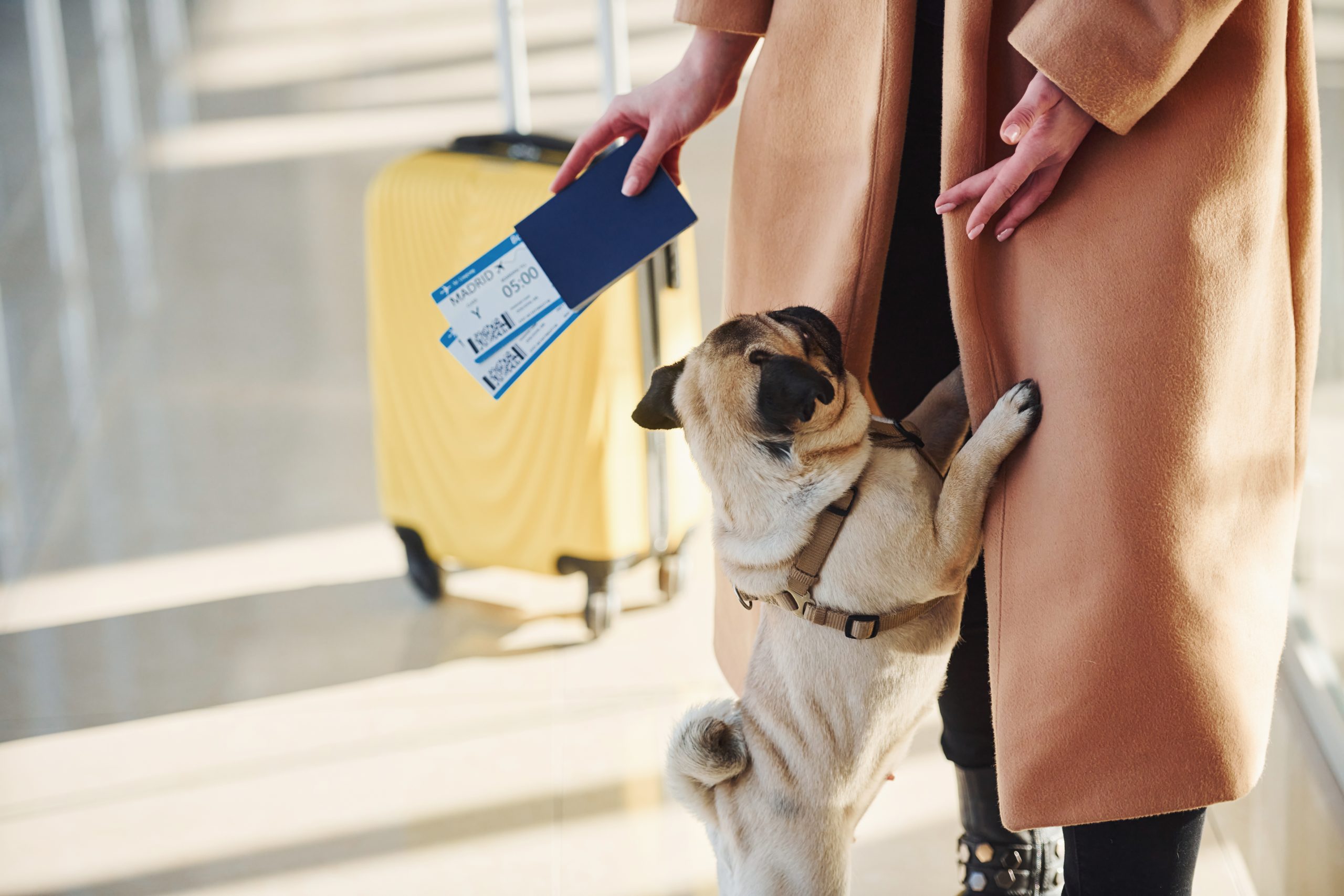
For a domestic flight inside Australia, flying a dog usually costs from around $130 for a small dog in a small crate on a short sector, rising to several hundred dollars for a bigger dog in a larger crate. If you use a pet transport service to manage the whole trip door to door, the typical interstate range is $350 to $700. On top of the flight itself, budget for an airline-compliant crate, a vet health check and transfers to and from the airport, which together can add a few hundred dollars more.
Those are the headline numbers. The real figure depends on your dog’s size, the route, the airline and whether your dog travels in the cargo hold or, on a small number of routes, in the cabin. Here is how it breaks down.
What you actually pay to fly a dog domestically

There are three common ways to get a dog on a domestic flight, and they cost very different amounts.
Booking the airline cargo hold directly
Most dogs fly in the climate-controlled cargo hold, and the fee is usually based on the size of the crate. As an example, a small (S) crate from Sydney to Adelaide with Qantas was priced at $265.32 as of October 2025. A larger dog in a bigger crate costs more, and a long sector costs more than a short one. One thing to know: Qantas now states it no longer accepts direct pet bookings, so even a hold booking may need to go through a pet transport company.
Using a pet transport service
Pet transport specialists handle the crate, the airline booking and often the pick-up and drop-off as well. For interstate dog transport, they typically charge $350 to $700, with the figure driven by your dog’s size and the distance. Smaller dogs sit near the bottom of that range; very large breeds, or door-to-door service across the country, push it higher.
Flying your dog in the cabin
Until recently, this was not an option on Australian domestic flights for anyone except handlers of recognised assistance dogs. That has changed on a small number of routes, and the in-cabin fee is a flat charge rather than a crate-size calculation. More on that below.
Which Australian airlines carry dogs
Your options narrow quickly once you pick a route, because not every carrier takes pets.
- Qantas: dogs travel in the hold, priced by crate size. Direct pet bookings are no longer accepted, so a transport company usually handles them.
- Virgin Australia: carries dogs in the hold (priced on the combined weight of the dog and crate) and, on selected routes, in the cabin.
- Rex: accepts pets as checked baggage on selected flights.
- Jetstar: does not carry pets at all.
Because the rules and prices differ by airline and change over time, confirm the current fee for your exact route before you book. The numbers in this guide are accurate as of the dates noted, but pet fees have climbed sharply since 2019 and have not come back down.
The costs people forget
The flight is rarely the whole bill. Three extras catch owners out.
- The crate. Airlines require a compliant crate with the right ventilation, a solid leak-proof floor and enough room for your dog to stand and turn around. A standard carrier from the pet shop often will not meet the rules, and a custom crate for a large dog is an added cost.
- The vet check. A vet visit to confirm your dog is fit to fly is sensible for any flight, and the price of even a simple domestic health check varies between clinics.
- Airport transfers. Getting your dog to the freight terminal at one end and collecting it at the other adds either your time or a pet taxi fee, which is higher during peak pick-up and drop-off windows.
Stack those on the flight cost, and a simple interstate move for a medium dog can land well above the airline’s headline fee.
Can my dog fly in the cabin with me?
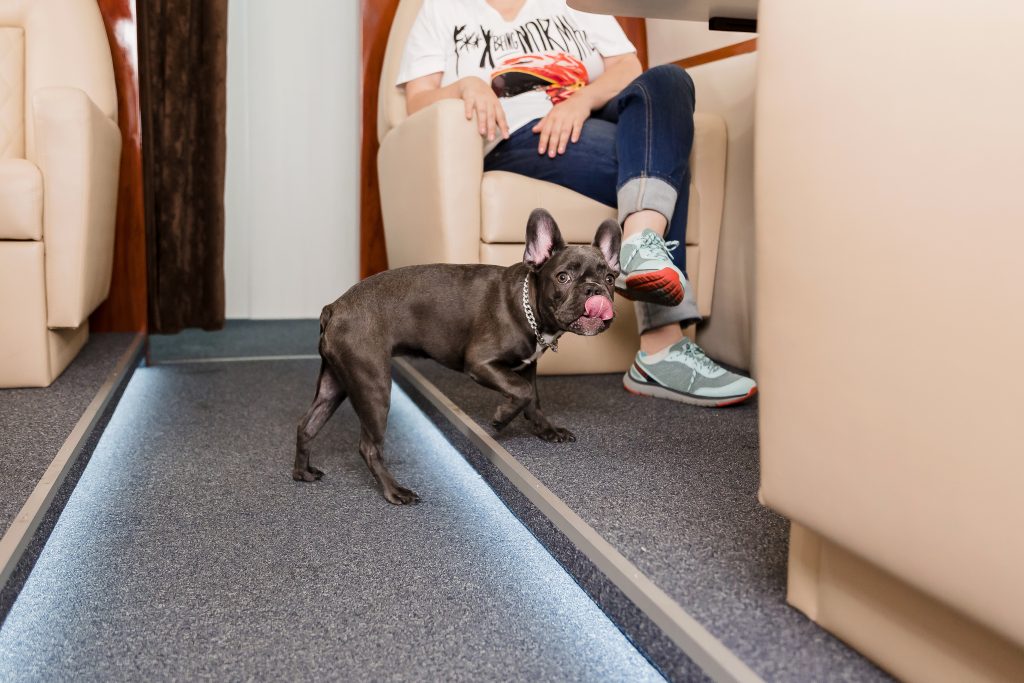
On most Australian domestic flights, no. The Civil Aviation Safety Authority changed the rules in December 2021 to allow pets in the cabin, but only where the individual airline chooses to offer it, and for years, none did.
That changed in October 2025, when Virgin Australia became the first major Australian carrier to fly small dogs and cats in the cabin. The service costs $149 per pet per sector (or 18,600 Velocity Points), with a limit of four pets under 8kg, combined with the carrier, on each eligible flight. Pets travel in an approved soft-sided, leak-proof carrier stowed under the seat in front. The routes are limited, running between Melbourne and the Gold Coast and between Melbourne and the Sunshine Coast, and the service has been on sale on a trial basis, with the airline signalling plans to continue it and add Adelaide and Launceston.
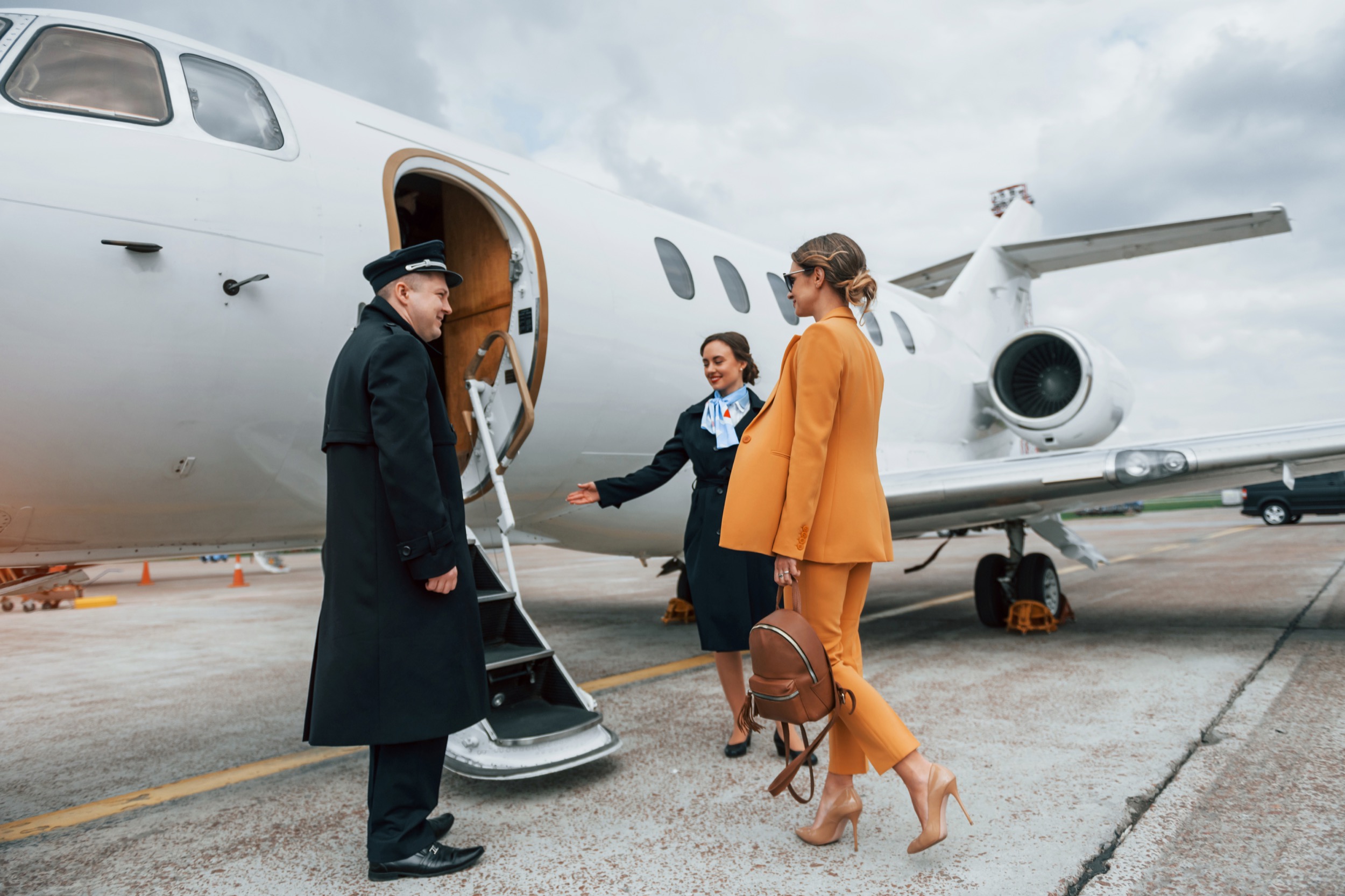
If your dog is bigger than 8kg, or your route is not on that short list, the cabin is not an option on a scheduled flight. There is one exception worth knowing: on a private charter, a dog can often travel in the cabin with you regardless of those scheduled-airline limits, subject to the operator’s approval. For some owners, that flexibility is the deciding factor. You can ask us about a private charter if travelling with your dog at your side matters more than the lowest fare.
How to keep the cost and the stress down
- Book early. Pet spots on each flight are limited, and they fill fast over school holidays and the Christmas period.
- Measure your dog properly and buy the right crate once, rather than discovering at the terminal that it does not comply.
- Get the route confirmed in writing. Fees and pet allowances differ by airline and change, so lock in the current price for your sector.
- Factor in the whole journey, not just the flight, including transfers, the vet check and any overnight boarding on either side.
Frequently Asked Questions
Is it cheaper to fly a dog or drive?
For short interstate trips, driving is often cheaper if you have the time, since you avoid the crate, airline fee and transfers. Flying wins on long routes, such as the East Coast to Perth, where days of driving outweigh a few hundred dollars in airfare. Factor in fuel, accommodation and your own time before deciding.
How much does an airline-approved dog crate cost?
It depends on your dog’s size. A small soft carrier suitable for cabin travel is the cheapest option, while the rigid crates required for the cargo hold cost more, and a custom crate for a large or oversized dog is the most expensive. Buy one that meets the airline’s ventilation and floor requirements, as a standard pet-shop carrier often will not.
Can a large dog fly in the cabin in Australia?
Not on a scheduled flight. Virgin Australia’s in-cabin service is limited to small dogs and cats under 8kg, combined with the carrier, on a short list of routes. A large dog on a scheduled flight travels in the cargo hold. On a private charter, larger dogs can often travel in the cabin, subject to the operator’s approval.
Why has flying a dog become so expensive?
Pet transport fees rose sharply around the COVID period and did not return to earlier levels. As a guide, a small crate on one East Coast route that cost about $137.50 in 2019 was priced well above that by late 2025. Airlines also handle live animals with extra care and limited capacity per flight, which keeps prices up.
If having your dog in the cabin beside you matters more than the cheapest fare, ask Air Charter Network about a private charter on 1300 850 747 or request a quote online.
About the Author
The Air Charter Network team arranges private and group charter flights across Australia and worldwide, including aircraft that can carry pets in the cabin alongside their owners. This guide is general information, not a substitute for current airline or pet transport quotes.