








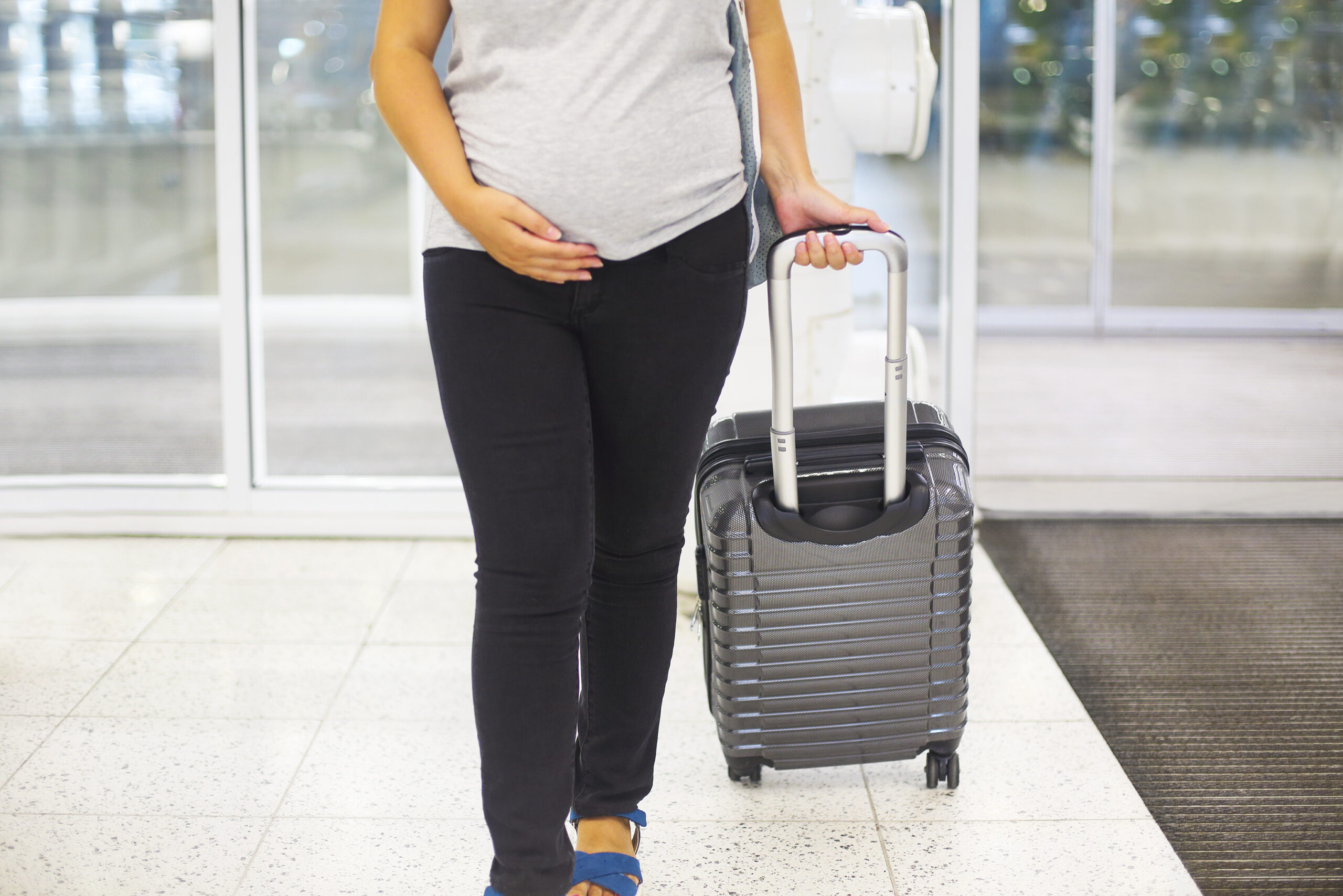
Can you fly while pregnant? For the majority of pregnancies, the answer is yes, flying is generally considered safe, and the second trimester is usually the most comfortable time to do it. Your doctor or midwife has the final say, so it is worth checking in with them before you book. Beyond that, it comes down to knowing the airline rules and a few simple ways to travel more comfortably, whether you are on a commercial flight or chartering privately. Here is what to know before you fly.
Is it safe to fly while pregnant?
Flying while pregnant often doesn’t present many issues when it comes to your airline. Plenty of pregnant travellers fly every year without any trouble. However, being pregnant does change a few small things about a trip, so it pays to plan rather than book on autopilot.
It’s important to remember that your doctor or midwife knows your history and is the right person to confirm you are fit to fly. The simplest move is to raise your travel plans at your next appointment and ask about your due date and how long you will be in the air.
The airline rules that can stop you from flying
So, when do you have to stop flying pregnant? The rules are set by each airline rather than the government, and in Australia, they cluster around a few key weeks.
The 28-week letter
From 28 weeks, most Australian airlines, including Qantas, Virgin Australia and Jetstar, will ask you to carry a letter or medical certificate from your doctor or midwife. It needs to be dated within about 10 days of travel and confirm your due date, whether it is a single or multiple pregnancy, that there are no complications, and that you are fit to fly. This is an essential for travel because, without that letter you can be turned away at the gate.
Cut-offs for single and multiple pregnancies
After 28 weeks, firmer cut-offs apply. For a single pregnancy you can usually fly until the end of the 36th week on longer or international flights, and later, often to around 40 weeks, on short domestic hops under four hours. For a multiple pregnancy the cut-off is normally earlier, around the end of 32 weeks. Virgin Australia, for example, often allows travel with a medical certificate up to 38 weeks on flights under four hours.
Why the rules vary
Cut-offs shift with the length of the flight and the specific airline. A two-hour domestic flight and a long international one are treated very differently. Always check with your airline for the exact policy on your route and dates, as these rules do get updated.
The best time to travel while pregnant
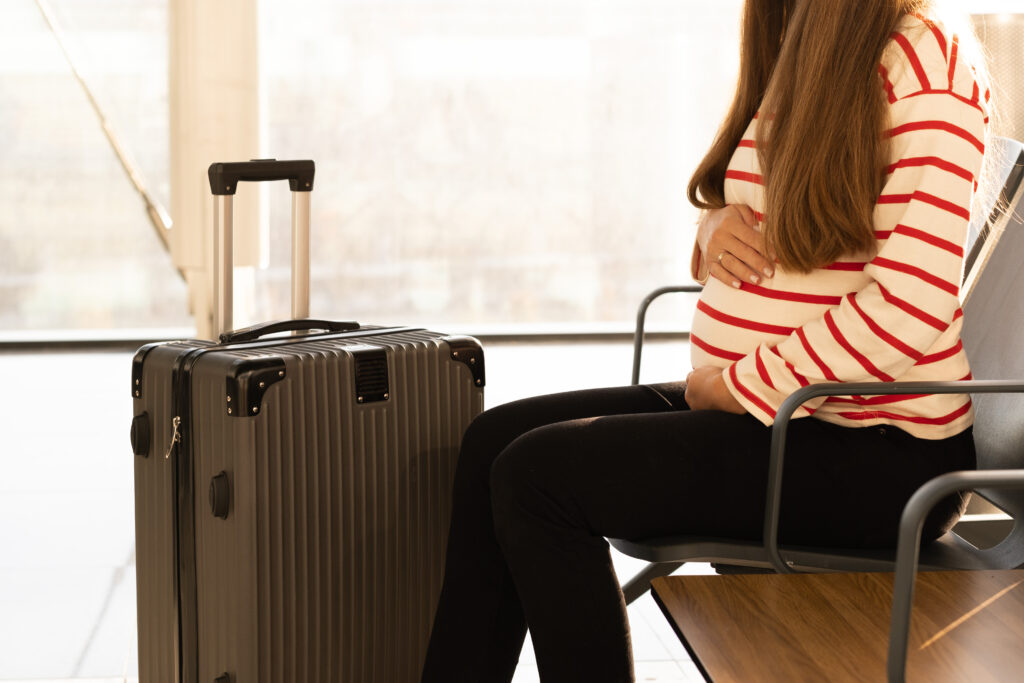
If you have a choice, the second trimester, roughly weeks 13 to 26, is usually the most comfortable time to travel while pregnant. Early nausea has often eased, energy tends to be better during this period, and it sits comfortably before the late-pregnancy airline cut-offs. The first trimester is not off limits, but tiredness can make travel harder work, and the third trimester brings those cut-offs plus less comfort on longer flights. Neither rules out flying, so it really comes down to picking the window that suits you.
If your pregnancy is high-risk, or you are carrying multiples, the best time to travel may be no time at all, but that is a conversation for your doctor or obstetrician. Their advice comes ahead of any timing tip.
Staying comfortable in the air
Keeping the blood moving
Stay well hydrated with water rather than coffee, get up and move around the cabin every hour or so and wear some knee-high compression stockings, which are worth your while on longer flights.
Small things that make a big difference
An aisle seat makes it easier to move around and reach the bathroom. Loose clothing, a good snack and a refillable water bottle all help. It is also worth checking that your travel insurance covers pregnancy, especially for international trips, so you are covered for the full time you are away.
What to carry with you
Having the paperwork on hand also makes check-in smoother once you are past 28 weeks, along with any medication you might need mid-flight.
How a private charter can help
A private charter can help keep you comfortable and relaxed, which counts for a lot when you are pregnant.
More space, privacy and your own schedule
A private jet gives you more room to stretch out and move, plus privacy for when you are not feeling your best. You fly on your own schedule, too, so you can pick a time of day that suits you instead of an early commercial departure.
Less time in terminals and queues
Charter flights usually leave from private terminals, which means fewer queues, less walking between gates and a calmer start and finish. For a tired pregnant traveller, saving an hour of airport slog at each end makes a real difference.
What still applies
Even on a private charter, your doctor’s clearance and the usual medical considerations do not change, and charter operators can set their own late-term conditions. Let the team know how far along you are when you enquire, so the right aircraft and any paperwork can be sorted early. At Air Charter Network, we’re available to walk you through the options.
So, can you fly while pregnant? Usually, yes, with a little planning and your doctor’s okay. If comfort and space matter for your trip, ask Air Charter Network about a private charter on 1300 850 747 or request a quote online.
About the Author
The Air Charter Network Team
The Air Charter Network Team arranges private and group charter flights across Australia and worldwide, including comfortable travel for expecting passengers. This guide is general information, not medical advice. Always check with your doctor or midwife, and with your airline, before flying while pregnant.