








What Is an Air Taxi and When Does It Make Sense?
When commercial flights involve awkward connections and long transfers, getting from A to B can become more complicated than it needs to be. An air taxi is an on-demand air transport service that lets you travel around your schedule rather than an airline timetable.
You choose your destination, preferred departure time and passenger numbers, and an operator arranges a suitable aircraft to fly you there, often using smaller airports or airstrips closer to your destination. Depending on the route, air taxi services may use conventional fixed-wing aircraft, helicopters or emerging electric vertical take-off and landing (eVTOL) aircraft, many of which are still progressing through certification.
Flying on demand does have various considerations. Commercial airlines will generally be more economical for solo travellers on popular routes, but an air taxi can offer worthwhile advantages when time, flexibility or access to regional destinations are important.
What is an air taxi and how does it work?
An air taxi offers a more flexible way to travel by air, particularly when commercial flight schedules don’t line up with your schedule. Instead of booking a seat on a scheduled service, you arrange an aircraft for your specific journey, choosing your departure time, destination and passenger numbers.
These flights are typically operated by charter companies holding an Air Operator’s Certificate (AOC) issued by the Civil Aviation Safety Authority (CASA). Some services are arranged through charter brokers, such as Air Charter Network, which source suitable aircraft from a network of operators rather than operating the aircraft themselves.
The aircraft flies between suitable airports or approved landing sites, potentially bringing you closer to your destination and avoiding unnecessary connections. However, the route, aircraft availability, landing facilities and weather all influence what’s possible.
How Do You Book An Air Taxi?
- Share your travel requirements: Provide your departure and arrival locations, preferred dates and times, passenger numbers, baggage requirements and any additional needs, such as catering or travelling with pets.
- Compare suitable aircraft: The operator or charter broker identifies available options and provides a proposal outlining aircraft types, estimated flight times and pricing.
- Confirm your booking: Once you’ve selected an option, you’ll receive confirmation with the aircraft details, departure location, crew arrangements and other relevant information.
- Arrive and fly: Your booking confirmation explains where to arrive and when. Check-in and boarding procedures vary depending on the operator and airport.
Keep in mind that not every aircraft can land at every destination. Some regional locations have smaller airstrips with limited facilities or no passenger terminal, and you may need ground transport to complete your journey. Confirming these details upfront helps you understand the full travel time and cost.
What Types of Air Taxi Are Available?
Air taxi services can use several types of aircraft, each suited to different travel requirements.
They are most commonly used by executives travelling between regional offices, project sites and client meetings. Families and small groups may also use them to reach islands, remote properties or regional destinations, while travellers with multi-stop itineraries can benefit when scheduled airline routes don’t fit their plans.
| Type | Best for | Things to know |
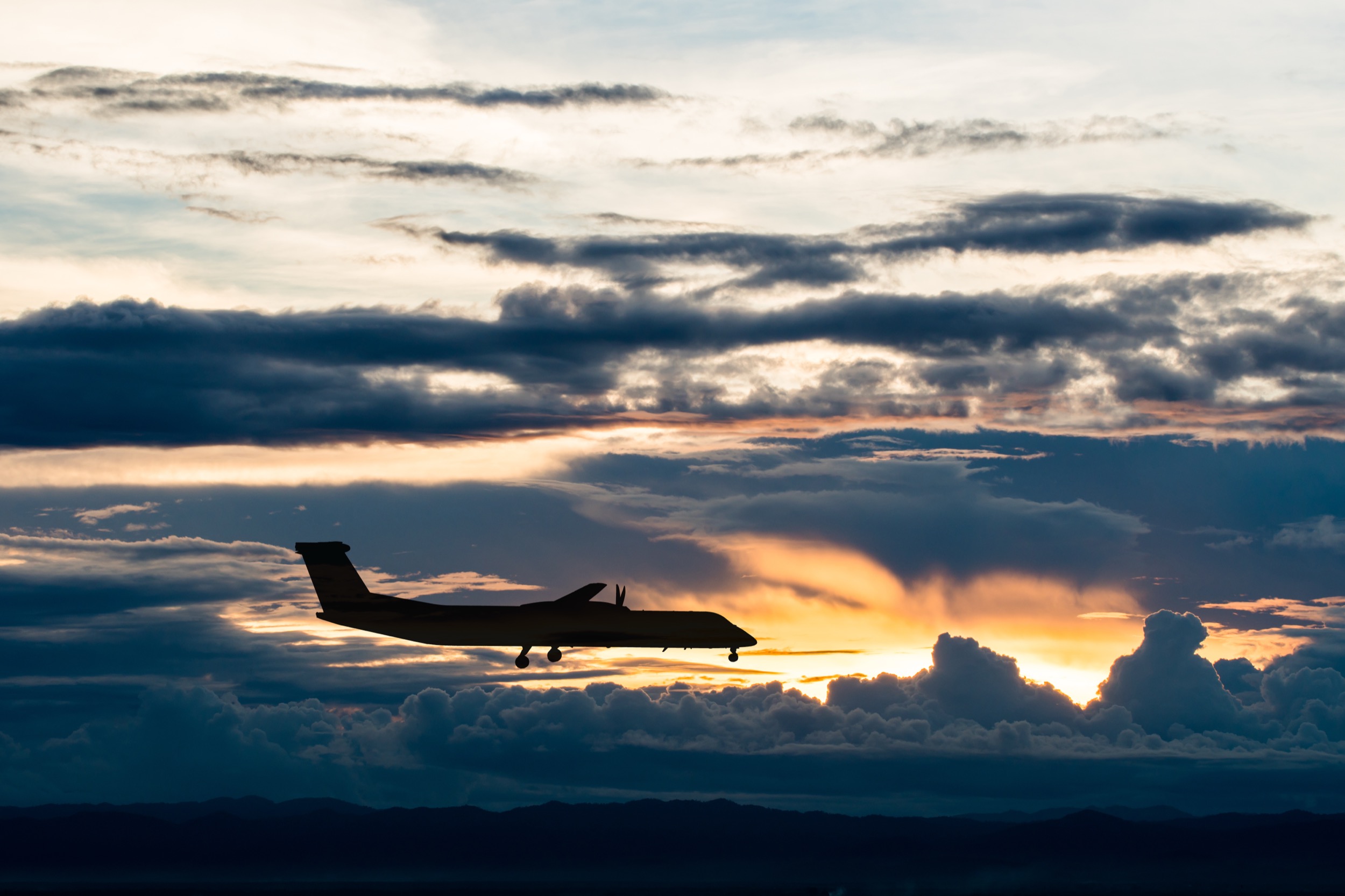
| Fixed-wing piston and turboprop | Regional and remote routes between airports and airstrips | Usually lower running costs than jets. Capacity and baggage are limited by aircraft size. |
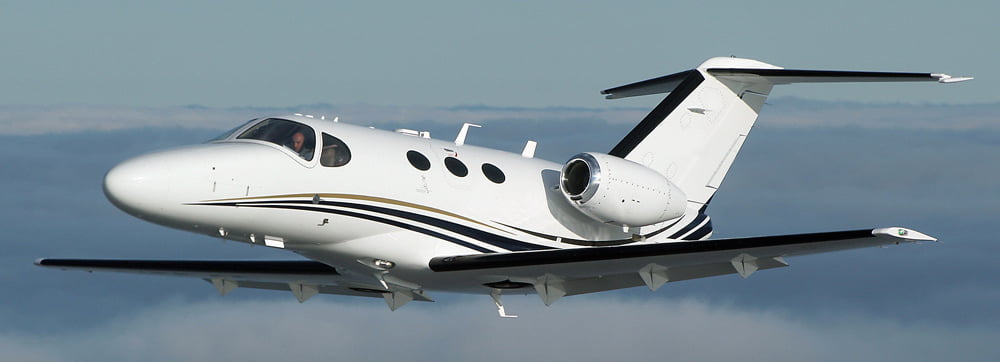
| Light and midsize jets | Faster interstate and longer regional legs | More range and speed. Light jets typically seat 4 to 8 passengers. Price is usually higher. |
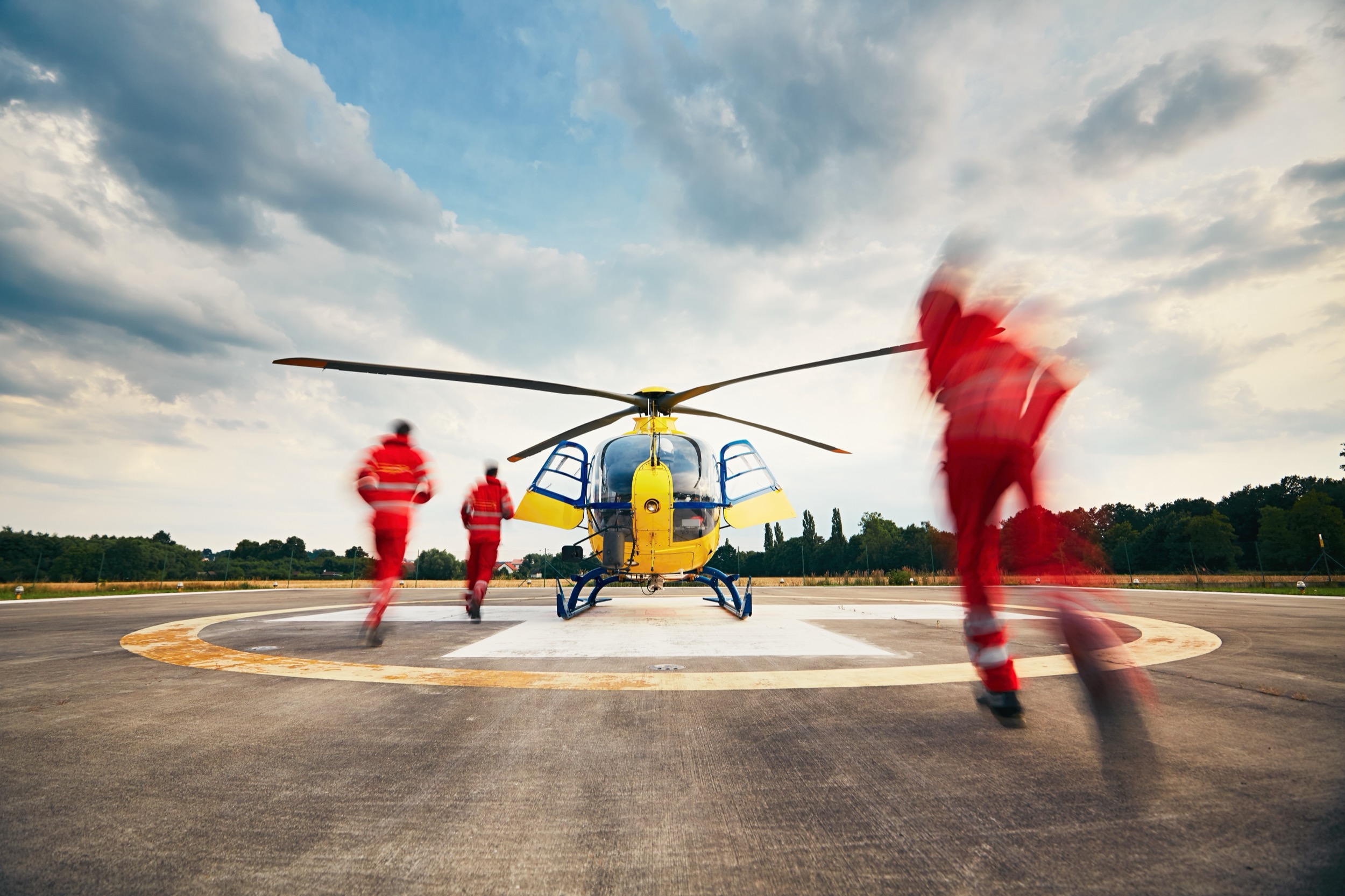
| Helicopter | Short point-to-point transfers and sites without a runway | Can land where planes cannot. Shorter range, and weather and noise rules apply. |
| Electric (eVTOL) | Planned short urban and airport links | Emerging technology. Not yet a standard booking option in Australia. |
How Is an Air Taxi Different From an Airline, Private Jet or Driving?
The term air taxi can overlap with private charter services, so it’s worth comparing the actual aircraft and itinerary rather than relying on the label alone.
| Airline | Air taxi | Private jet | Driving | |
| Schedule | Fixed timetable | Set with the operator | Set with the operator | Entirely yours |
| Routing | Often via a hub | Direct, to suitable airfields | Direct, usually larger airports | Door to door |
| Best for | Solo travellers on busy routes | Regional trips and small groups | Longer legs and bigger groups | Short, predictable trips |
| Cost pattern | Per seat | Per flight | Per flight | Fuel, time, accommodation |
| Main limit | Little flexibility | Range, weather, airfield access | Price | Time and fatigue |
How Much Does An Air Taxi Cost?
There’s no fixed price for an air taxi charter. Unlike commercial airlines, which generally charge per passenger, air taxi and charter flights are typically priced per flight. The aircraft you choose, the distance you travel and the logistics involved all influence the final cost.
- Distance and flight time: Longer journeys generally cost more due to fuel consumption and aircraft operating time.
- Aircraft type and capacity: Turboprops, helicopters and private jets have different operating costs, speeds and passenger capacities.
- Airport fees and ground handling: Landing charges, airport facilities and handling services can affect the overall price.
- Aircraft positioning: If an aircraft needs to fly to your departure point or return empty after your trip, those additional flight hours may be included in the quote.
- Waiting time and overnight stays: An aircraft and crew remaining at your destination can add to the cost, depending on the itinerary.
- One-way or return travel: A return booking may affect pricing, particularly if the aircraft would otherwise need to reposition without passengers.
- Exclusive or shared flights: A dedicated charter gives your group exclusive use of the aircraft. Shared-flight options, where available, may offer a different pricing structure.
- Seasonal demand and weather: Availability, scheduling changes and weather-related disruption can influence the options and costs involved.
For Air Charter Network customers, quotes are tailored to the journey and outline the costs involved, including the aircraft, crew, fuel, landing fees and standard catering, with any additional charges identified upfront.
Is an Air Taxi More Expensive Than Flying Commercially?
For a solo traveller, an air taxi will generally cost more than a standard commercial airline ticket. However, the comparison can change when several people are travelling together or when scheduled flights add significant time and expense to the journey.
Because a charter is typically priced per flight, a group can share the cost rather than purchasing individual tickets. You should also account for the wider expenses associated with commercial travel, including connecting flights, airport transfers, parking, hire cars and overnight accommodation if the timetable requires an extra night away.
For business travellers, there’s another consideration: the value of the time saved. Reaching a regional destination directly could mean fitting in an additional meeting, returning home the same day or avoiding hours of unnecessary travel. That doesn’t automatically make an air taxi the cheaper option. The savings in time and associated expenses need to justify the difference in price for your particular trip.
How Do You Compare Air Taxi Quotes?
Quotes may vary between service provider and inclusions. When comparing quotes look at:
- Aircraft and capacity: Confirm the aircraft type, passenger limit and available baggage space.
- Included costs: Check whether fuel, crew, taxes, landing fees and ground handling are covered.
- Baggage restrictions: Ask about weight limits and any restrictions on oversized items.
- Return travel and waiting time: Confirm whether the quote includes a return flight, aircraft waiting time or overnight accommodation for the crew.
- Booking conditions: Understand the cancellation, rescheduling and weather-disruption policies.
- Operator credentials: Verify that the flight will be operated by an appropriately authorised commercial operator, including the relevant CASA Air Operator’s Certificate (AOC) in Australia.
- Ground transfers: Establish whether transport to and from the departure and arrival locations is included or needs to be arranged separately.
When Does An Air Taxi Make Sense?
An air taxi makes the most sense when it solves a specific transport problem. These are the situations where it most often does.
- Your destination has little or no airline service. Regional business centres, project and mining sites, remote communities and islands are often a long drive from the nearest scheduled flight.
- You have several stops in one day. A chartered aircraft flies to your schedule, so a multi-site day can replace an overnight stay.
- Several people are travelling together. A small corporate team, a family or a project group can share one price and arrive together.
- Connections would eat the day. If the airline route means a hub, a layover and a hire car, a direct flight can recover hours.
- Schedule control and privacy matter. You pick the departure time, and your itinerary stays within your own group.
When Is An Air Taxi Not Worth The Cost?
Not every journey needs a charter flight. In some cases, a commercial airline or a drive will be more practical:
- The destination already has frequent, direct airline flights.
- The drive is short and predictable.
- Transfers to and from the airfield cancel out most of the time saved.
- You are travelling alone and the budget is tight.
- Weather, aircraft range or airport restrictions make the itinerary unreliable.
- The trip is flexible enough that a cheaper option does the job.
If several points in the first list describe your trip, request a quote. If most points in the second list do, book the airline or take the car.
The decision comes down to what the flight solves. If limited airline access, multiple stops or lost working hours are making your trip more expensive and complicated, an air taxi is worth pricing. If conventional transport gets you there efficiently, there’s little reason to pay extra.
Not sure whether an air taxi suits your route? Tell us where you need to go and we will compare the options for you. Call 1300 850 747 or request a quote .
What are the limits of air taxi travel?
An air taxi offers greater flexibility than a scheduled flight, but it still has practical limitations. Weather, aircraft capacity, landing facilities and aviation regulations all influence where you can fly and how reliably you can stick to your itinerary. Understanding these factors before booking helps you choose the right aircraft and avoid surprises.
Weather and operational changes
Wind, storms, low cloud and poor visibility can delay or cancel flights, regardless of whether you’re travelling on a commercial airline or a private charter. Air taxi services must follow the same applicable aviation safety requirements, and a flexible departure time doesn’t override those restrictions.
If you’re travelling for an important meeting or working to a tight schedule, allow some contingency time. Before booking, ask how the operator handles weather-related disruption, rescheduling and cancellations, and what alternatives may be available if your flight cannot proceed as planned.
Range, passenger and baggage limits
Smaller aircraft generally carry fewer passengers and have a shorter range than larger aircraft. The right option depends on your route, group size, luggage requirements and the aircraft’s operating capabilities
Many aircraft offer seats for 3 to 10 passengers. However, the maximum seating capacity doesn’t necessarily mean every seat can be filled on every journey. Passenger weights, baggage, fuel requirements and weather conditions can affect the aircraft’s permitted load and range.
Airport access
An air taxi can’t necessarily land at your office, home or remote property. The aircraft needs a suitable airport, airstrip or approved landing site, along with any required permissions and facilities.
This is particularly important when travelling to remote properties, islands or regional project sites. Even if an aircraft can land near your destination, you may still need a ground transfer to complete the journey.
When comparing options, consider the entire route, including how you’ll reach the departure point and travel onwards after landing. A flight that looks direct on paper may involve additional transport at either end.
Is an Air Taxi the Right Choice for Your Next Trip?
The value of an air taxi comes down to what it gives you back. If it helps you reach a regional destination without multiple connections, complete several meetings in one day or get a group where it needs to be without an overnight stay, the additional cost may be well worth considering.
The best way to decide is to compare your options against your actual itinerary, including travel time, ground transfers, passenger numbers and the total cost.
Have a trip in mind? Air Charter Network can help you find a suitable aircraft for your route and schedule. Share your travel requirements with our team, and we’ll source available options and provide a tailored quote so you can decide whether an air taxi makes sense for your journey.