







The freedom that comes with private aviation might suggest unlimited privileges, but smoking regulations tell a different story entirely.
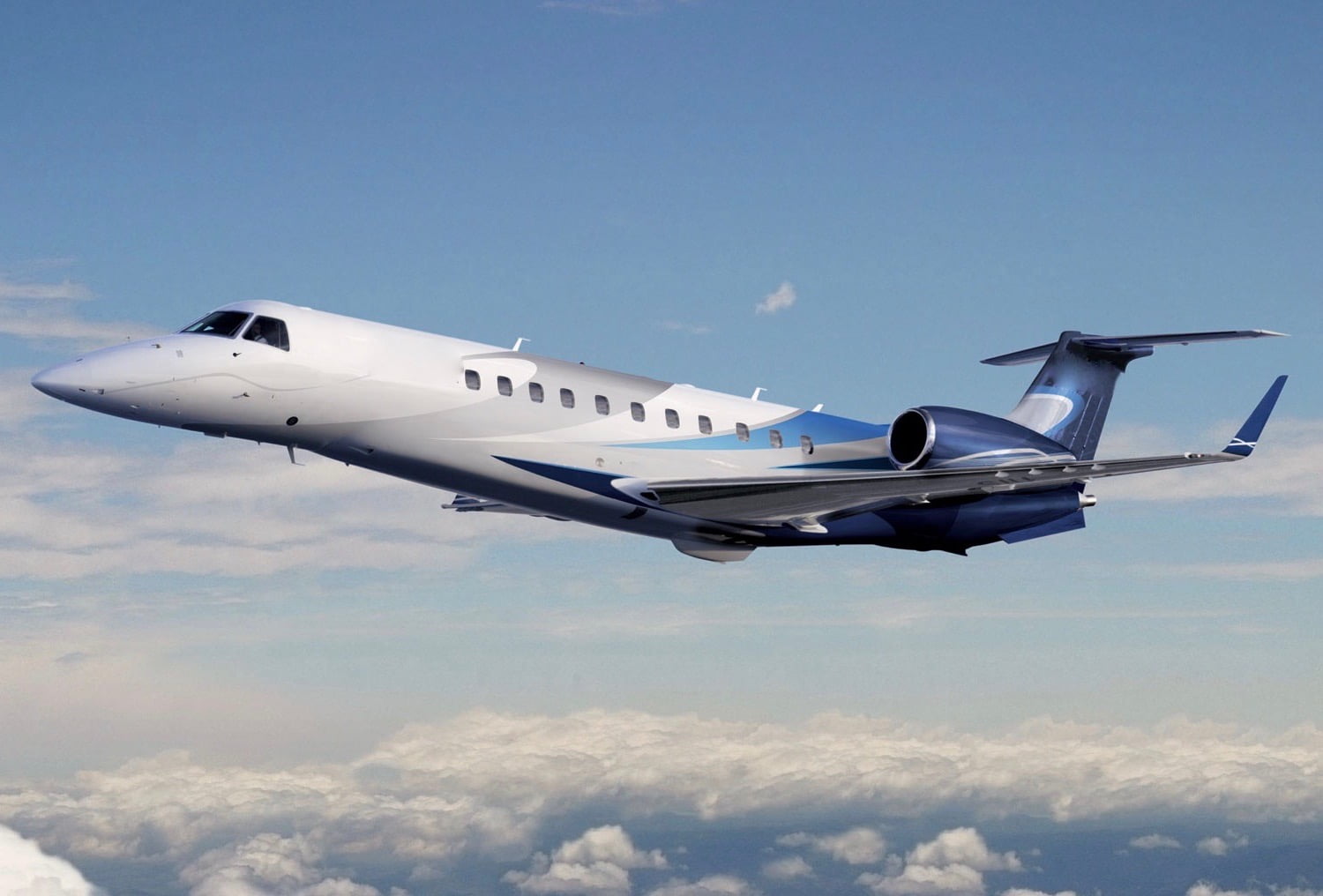
Private jets do offer significantly more flexibility than commercial flights. Yet smoking policies remain complex and vary dramatically between aircraft operators. Each private jet operates under its own specific rules, making blanket assumptions about smoking privileges a costly mistake.
The reality is, smoking on private jets is possible with certain aircraft, though it’s becoming less common as operators focus on preserving multi-million dollar investments and maintaining air quality standards. Some luxury jets still welcome smoking passengers, but expect specific conditions and additional fees.
What you’ll learn in this guide:
- Current smoking policies across private aviation
- Essential questions to ask before booking your flight
- How regulations differ for cigarettes, cigars, and vaping products
- Legal considerations for domestic and international travel
Whether you’re planning a business trip with smoking colleagues or simply want to enjoy a cigar at altitude, understanding these regulations ensures your luxury travel experience meets expectations rather than disappointments.
Can you smoke cigarettes on a private jet?

The smoking landscape in private aviation has shifted dramatically over the past decade. What was once a standard luxury amenity is now the exception rather than the rule.
How common it is today
If you’re looking for a smoking-friendly private jet charter today, you’re looking at a shrinking market.
Most operators have implemented fleet-wide smoke-free policies, and the reasons are purely business-driven. Aircraft owners protect their investments. We’re talking multi-million dollar assets where smoke damage creates permanent problems. Interior materials absorb odours, ventilation systems require extensive cleaning, and resale values plummet.
The shift away from smoking stems from several practical factors:
- Insurance policies that reward smoke-free operations with lower premiums
- Health preferences of high-net-worth clientele who prioritise air quality
- Crew concerns about working in smoke-filled confined spaces
- Modern aircraft design that doesn’t accommodate smoking infrastructure
Note: Even luxury jets built in recent years rarely include traditional smoking amenities like built-in ashtrays or specialised ventilation zones.
Why do some jets still allow it?
Despite industry trends, smoking-friendly options still exist. The key is understanding where to find them.
High-value clients drive exceptions to smoking policies. When a client pays substantial charter fees and specifically requests smoking privileges, some operators choose accommodation over rejection. After all, private aviation thrives on meeting client demands that commercial airlines cannot.
Certain aircraft categories remain more smoking-friendly:
- Owner-operated jets, where individual owners set their own rules
- Older aircraft that have already experienced interior wear
- Jets with enhanced ventilation are designed to handle smoke dispersal
- Charter operators serving niche markets like cigar enthusiasts
These operators typically impose conditions: designated smoking areas, substantial cleaning fees, security deposits for potential damage, and enhanced air filtration requirements. The additional costs reflect the real expense of maintaining smoking-capable aircraft.
Bottom line: Smoking on private jets isn’t impossible, but it requires specific planning and comes with financial considerations most operators prefer to avoid.
What to ask before booking a smoking-friendly flight
Securing a private jet that permits smoking isn’t as simple as calling any charter company. The key lies in asking targeted questions and understanding exactly what you’re paying for.
Questions to ask the charter company
Start with the obvious: “Does this aircraft allow smoking?” But don’t stop there. The follow-up questions matter just as much:
- Where exactly can you smoke? Throughout the cabin or specific zones only?
- What ventilation systems does the aircraft have for smoke management?
- Which smoking products are permitted? Cigarettes, cigars, or both?
- Will you be sharing the flight with non-smoking passengers?
- Are there route restrictions that override the aircraft’s smoking policy?
Pro tip: Be upfront about your smoking requirements from the first call. This saves time and prevents disappointment later in the booking process.
How to find jets that allow smoking
Older aircraft models typically offer your best chance of finding smoking-friendly options. These jets have already experienced interior wear, making operators less concerned about additional smoke exposure.
Owner-operated aircraft often provide more flexibility than charter fleet planes. The decision rests with individual owners rather than corporate policies that apply across entire fleets.
Some charter brokers specialise in matching clients with smoking-accommodating aircraft. Reach out to Air Charter Network for professional private air charter services and expert guidance on booking smoking-friendly flights. Their specialists understand which aircraft suits your specific requirements.
Understanding cleaning fees and deposits
Additional costs come with smoking privileges; there’s no getting around it. Cleaning fees address smoke odours and potential interior damage, with charges varying significantly based on aircraft size and interior materials.
Security deposits protect operators against burns, stains, or persistent odours. Ask about deposit amounts upfront and the exact conditions for getting your money back.
Review smoking-related contract terms carefully. Some operators include specific clauses about passenger liability for smoke damage. Understanding these financial obligations beforehand prevents unwelcome surprises on your final bill.
Different rules for different types of smoking
Smoking products aren’t created equal when it comes to private aviation policies. Each category faces distinct restrictions and considerations that affect your flight experience.
Traditional tobacco products
Cigarettes face the harshest restrictions among all tobacco products. Their continuous burn and persistent odour make them particularly challenging for aircraft operators. Even jets that permit smoking often impose special protocols for cigarette use.
Cigars and pipes receive somewhat better treatment. These premium tobacco products align more closely with luxury travel expectations, though they still require careful handling. The key difference are cigars produce less continuous smoke and appeal to the high-net-worth demographic that private aviation serves.
Proper disposal becomes critical regardless of your tobacco choice. Aircraft require secured ashtrays that get emptied regularly to prevent fire hazards. Some operators restrict smoking to specific flight phases, typically during cruise altitude when cabin air systems work most effectively.
Vaping and e-cigarettes
Electronic cigarettes and smoking devices create a unique challenge for private jet operators. While they produce vapour instead of traditional smoke, many aircraft still classify them under smoking restrictions.
E-cigarettes can trigger sensitive smoke detection systems, potentially causing false alarms during flight. This creates unnecessary complications for crew and passengers alike.
However, some operators have adapted to accommodate vaping. They recognise that vapour dissipates faster than cigarette smoke and causes minimal long-term cabin damage. These forward-thinking companies often allow vaping with specific guidelines about device types and usage areas.
Cannabis and legal risks
Cannabis presents the most complex legal scenario for private jet travellers.
Here’s what many passengers don’t realise: federal law governs all U.S.-registered aircraft, regardless of state laws at departure or arrival locations.
Even flying between cannabis-legal states doesn’t protect you from federal jurisdiction. This means smoking marijuana on a private jet could violate federal law, despite local legality at both ends of your journey.
International travel compounds these risks significantly. Many countries maintain zero-tolerance drug policies with severe penalties. CBD products face similarly unpredictable legal status across international borders, making cross-border cannabis travel particularly risky for private jet passengers.
What laws and etiquette say about smoking on board
Aircraft policies represent just one layer of smoking considerations. Legal jurisdictions and basic courtesy create additional boundaries that smart travellers understand before takeoff.
Domestic vs international rules
The legal framework becomes more complex once you leave Australian airspace. Domestic flights within Australia follow relatively straightforward regulations. Federal aviation authorities generally defer to individual aircraft owner policies regarding smoking. Safety regulations and protocols remain non-negotiable, particularly around proper disposal of smoking materials and fire prevention measures.
International travel presents an entirely different challenge. Each country enforces its own aviation laws, meaning your smoking privileges can change dramatically mid-journey. If you’re flying from Sydney to Singapore, you’ll need to comply with both Australian departure regulations and Singapore’s arrival requirements. The key principle: always follow the strictest applicable regulation throughout your entire journey.
Smart travellers research destination-specific smoking laws well before departure. Some countries impose blanket smoking bans on all aircraft within their airspace, regardless of registration or ownership. Others maintain specific altitude restrictions or require special permits for smoking-enabled aircraft.
Respecting the crew and other passengers
Private aviation etiquette differs significantly from commercial flight norms, but respect remains paramount. Flight crews work in confined spaces for extended periods. Obtaining their explicit permission before smoking shows basic professional courtesy. Most experienced pilots appreciate passengers who communicate smoking intentions during the pre-flight briefing rather than making requests mid-air.
Shared charter flights require extra consideration. Fellow passengers might have health sensitivities, business calls requiring clear air, or simply personal preferences against smoke exposure. A brief conversation before boarding prevents awkward confrontations at 40,000 feet.
Alternatives for smoke-free comfort
Modern private aviation offers practical solutions when smoking restrictions apply. Nicotine patches and gum provide options during longer flights where smoking isn’t possible. Many luxury terminals now feature dedicated smoking lounges with premium amenities, allowing passengers to satisfy cravings before boarding.
Strategic flight planning helps too. Experienced charter brokers often suggest routing options that include ground stops at smoking-friendly airports. These brief stopovers let passengers step outside while maintaining overall journey efficiency. Everyone arrives comfortable and satisfied with their travel experience.
Conclusion
Smoking on private jets remains possible, but don’t expect it to be simple. Most operators now maintain strict no-smoking policies to protect their aircraft investments and maintain air quality standards.
Key takeaways for your next private flight:
- Each aircraft operates under unique smoking policies
- Cleaning fees and security deposits are standard for smoking-friendly jets
- Legal considerations vary dramatically between domestic and international routes
- Cannabis consumption faces the most restrictive regulations, regardless of destination
But, are you willing to pay premium rates and navigate complex regulations for the privilege of smoking at altitude?
For personalised assistance in finding smoking-friendly aircraft options, reach out to Air Charter Network for professional private air charter services. Their specialists understand the nuances of smoking policies across different operators and can match you with suitable aircraft.
Remember, clear communication with your charter provider before booking prevents disappointment and unexpected costs. Whether you’re planning a business trip or leisure travel, understanding these policies ensures your luxury aviation experience meets your specific needs while respecting crew comfort and aircraft preservation requirements.
Private aviation still offers significantly more flexibility than commercial flights. You just need to know how to navigate the options effectively.